A new direction for
retired turbine blades.
Wind turbine blades are an engineering achievement: strong, light and made to endure. Those same qualities make their end-of-service materials difficult to separate. JENROVA approaches that challenge as an opportunity for material recovery.
Discuss this material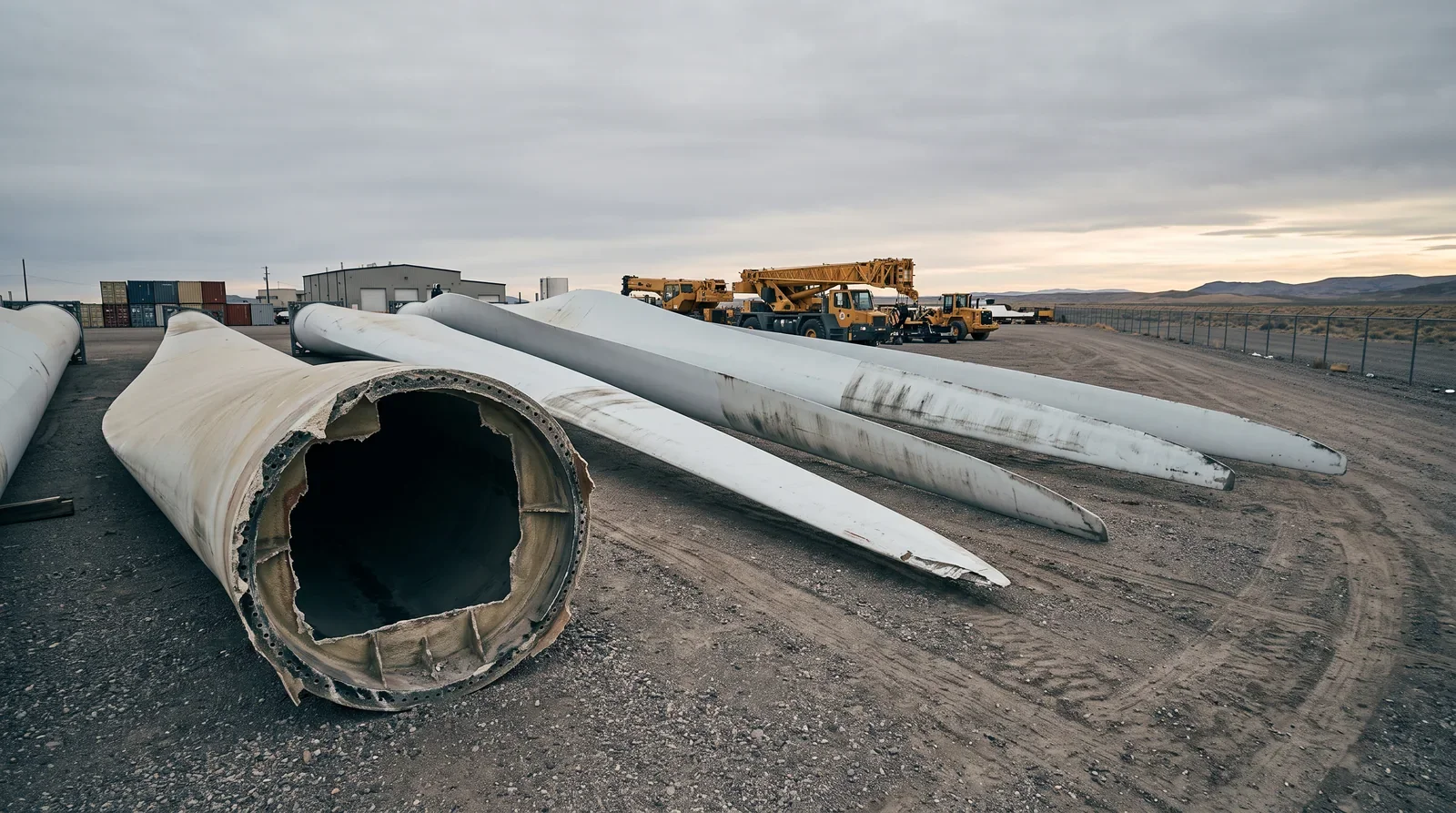 Illustrative industry scene
What if a blade that helped power the future could become part of building it again?
The challenge is inside the composite.
Many blades combine glass or carbon reinforcement with a resin system and other construction materials. The ingredients work together during service, but the resulting composite does not come apart like a simple metal assembly.
A useful recovery pathway has to address both logistics and material quality. Blade design, resin type, preparation and the intended destination all influence the practical route.
Look for the next use within the structure.
JENROVA evaluates prepared blade-composite feedstocks using dry material liberation, with no added process chemicals and no hammer mills in the liberation stage. Oversized components need an agreed preparation and handling route before processing.
The objective is to create and characterize material fractions suitable for further separation or an industrial application. Fiber length, resin content and other properties must be measured; recovered composite material is not automatically equivalent to virgin reinforcement.
Material fractions to evaluate
- Fiber-rich composite fractions
- Resin-rich material fractions
- Other constituent fractions, as applicable
Illustrative targets. Actual fractions and recovery depend on the feedstock and demonstrated processing route.
Recovery becomes meaningful
when material has a next use.
Possible destinations include tested composite ingredients and other qualified industrial applications. A new use must be demonstrated against the receiving customer’s specification; we do not assume every blade becomes a new blade.
Who we work with
Wind asset owners, repowering and decommissioning contractors, blade manufacturers and composite material buyers.
Good questions.
Clear answers.
Will a recovered fiber retain its original length and strength?
Can complete blades be sent without preparation?
What is in your
material stream?
Provide the blade type and material information available, dimensions, quantity, site location, project schedule and proposed preparation method.
More material stories.
 06
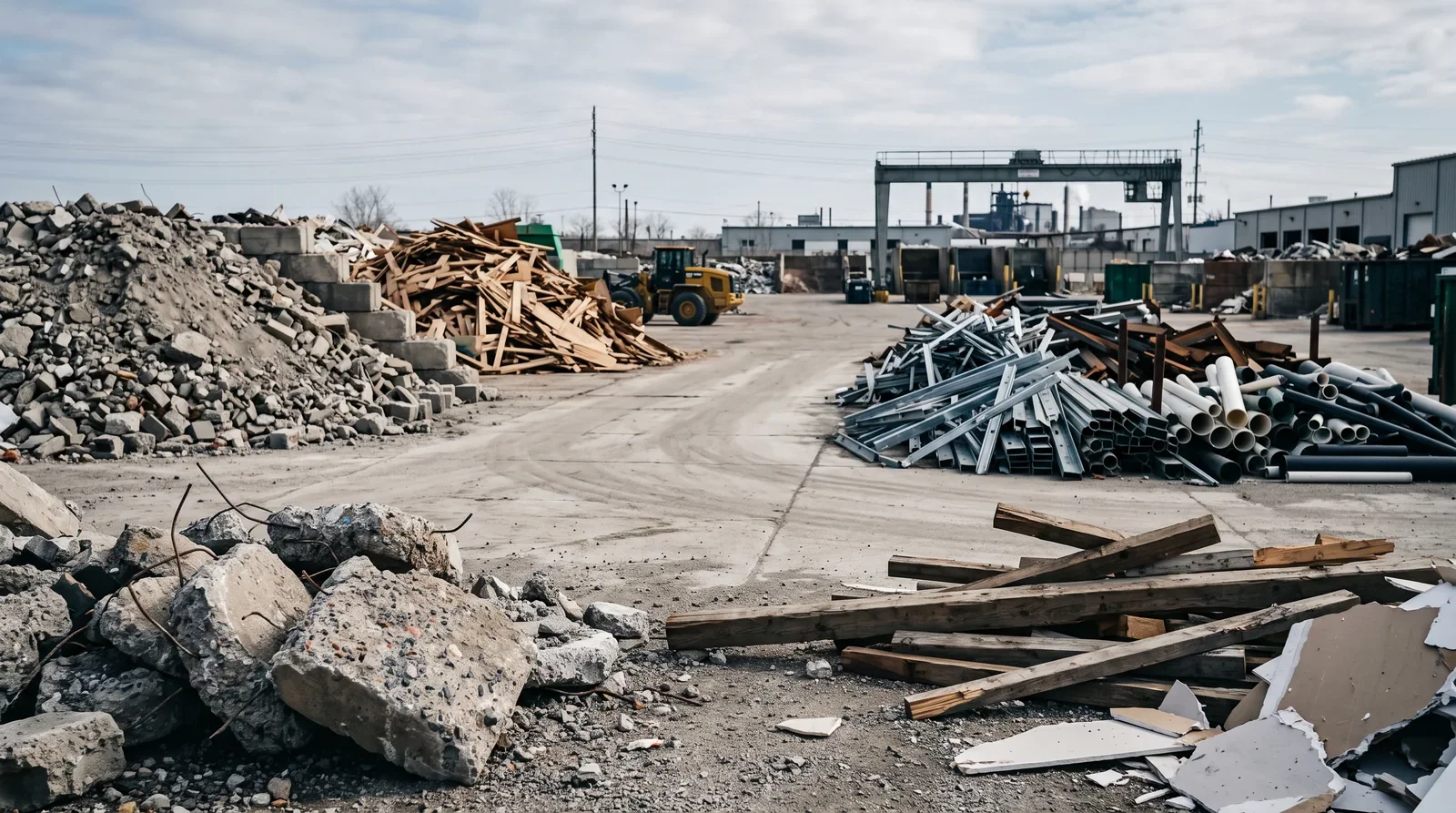
Construction debris
Look deeper into construction and demolition streams for usable material.
Explore the material story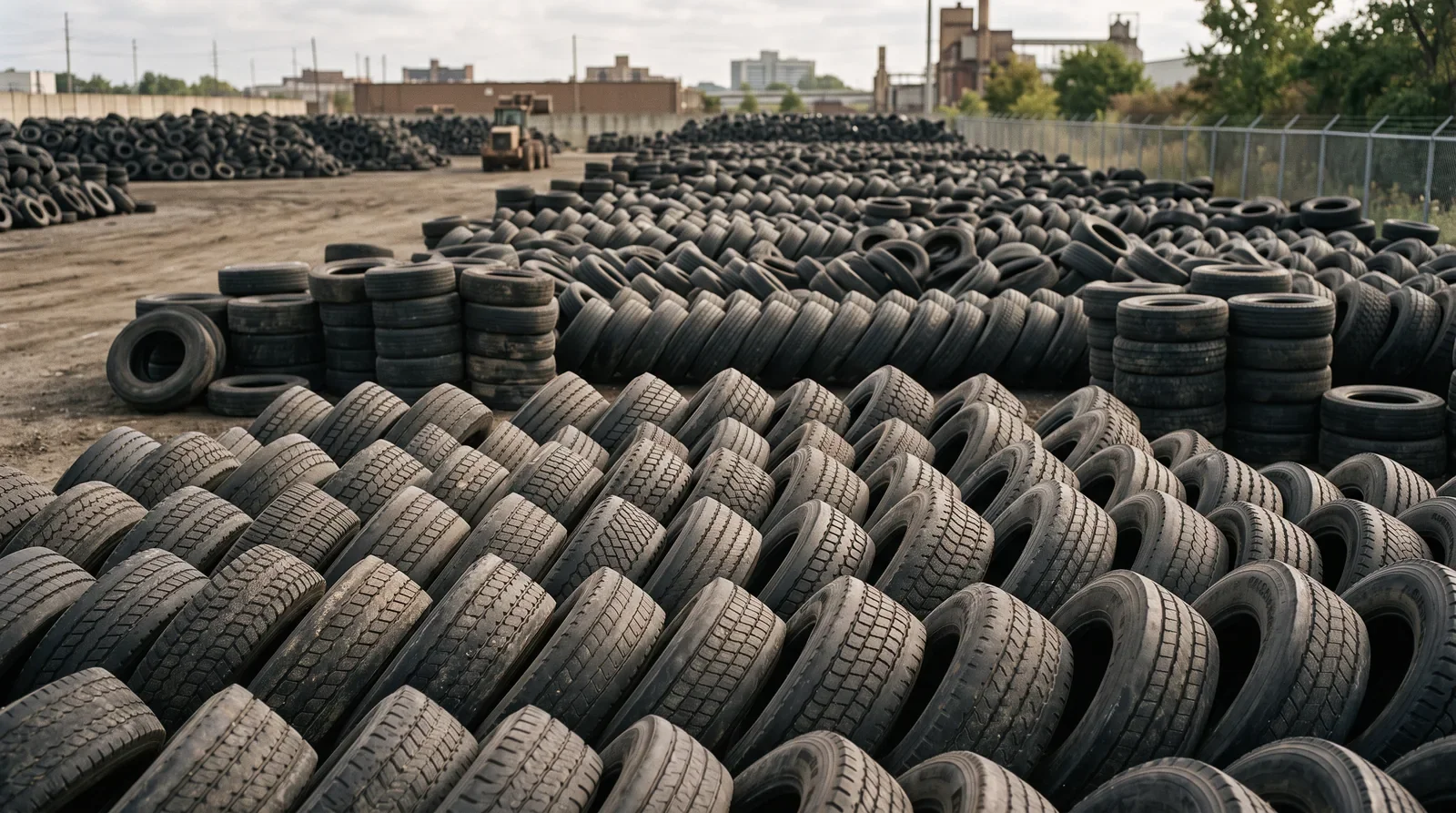 01
Tires & rubber
Unlock the rubber, steel and fiber still held inside an end-of-life tire.
Explore the material story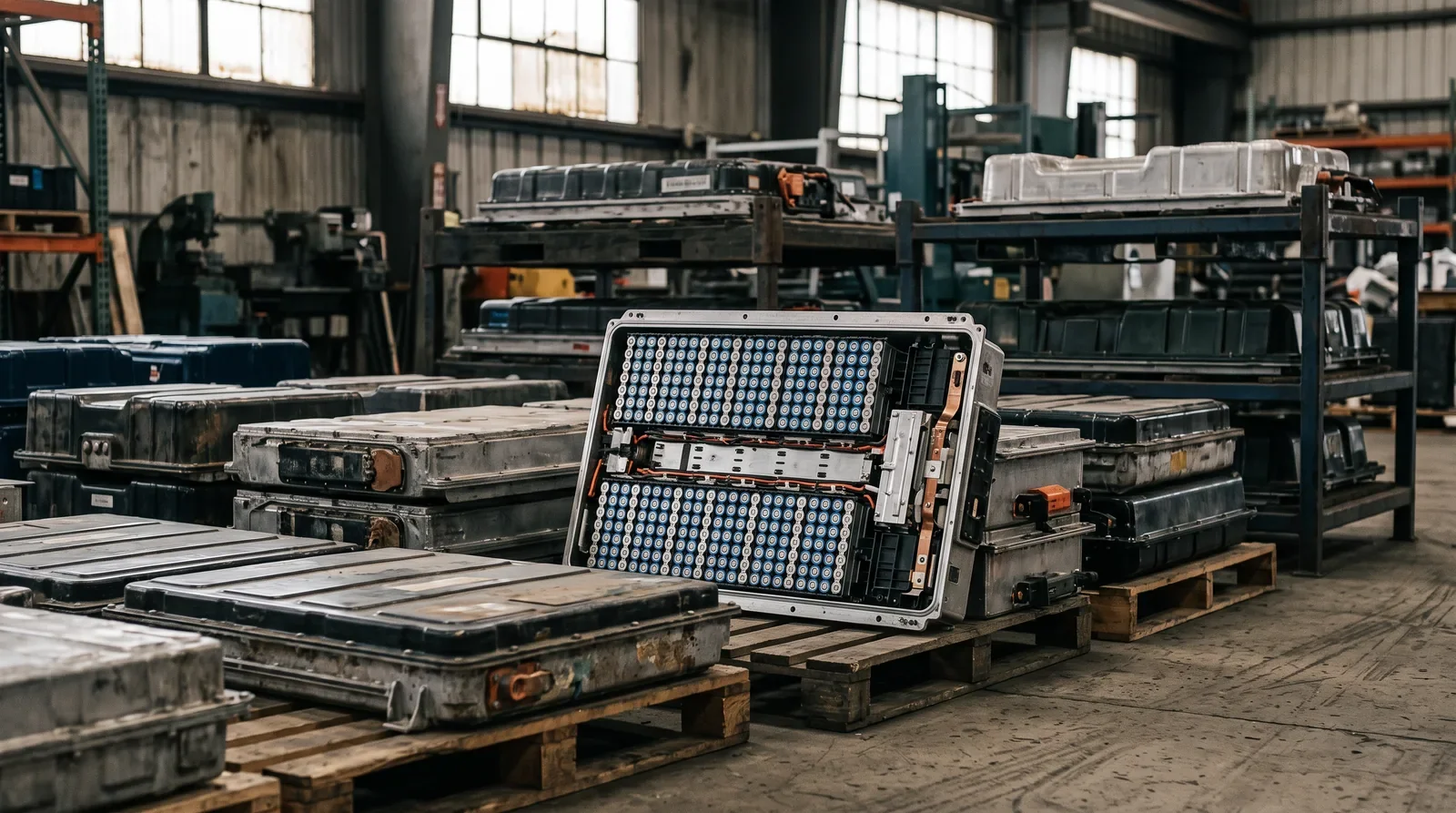 02
Lithium-ion batteries
Explore the value within battery assemblies, beyond a single recovered fraction.
Explore the material story