A new road for
end-of-life rubber.
A worn tire is still a carefully engineered combination of rubber, steel and reinforcing fiber. The challenge is separating those materials into fractions that can meet a real specification.
Discuss this material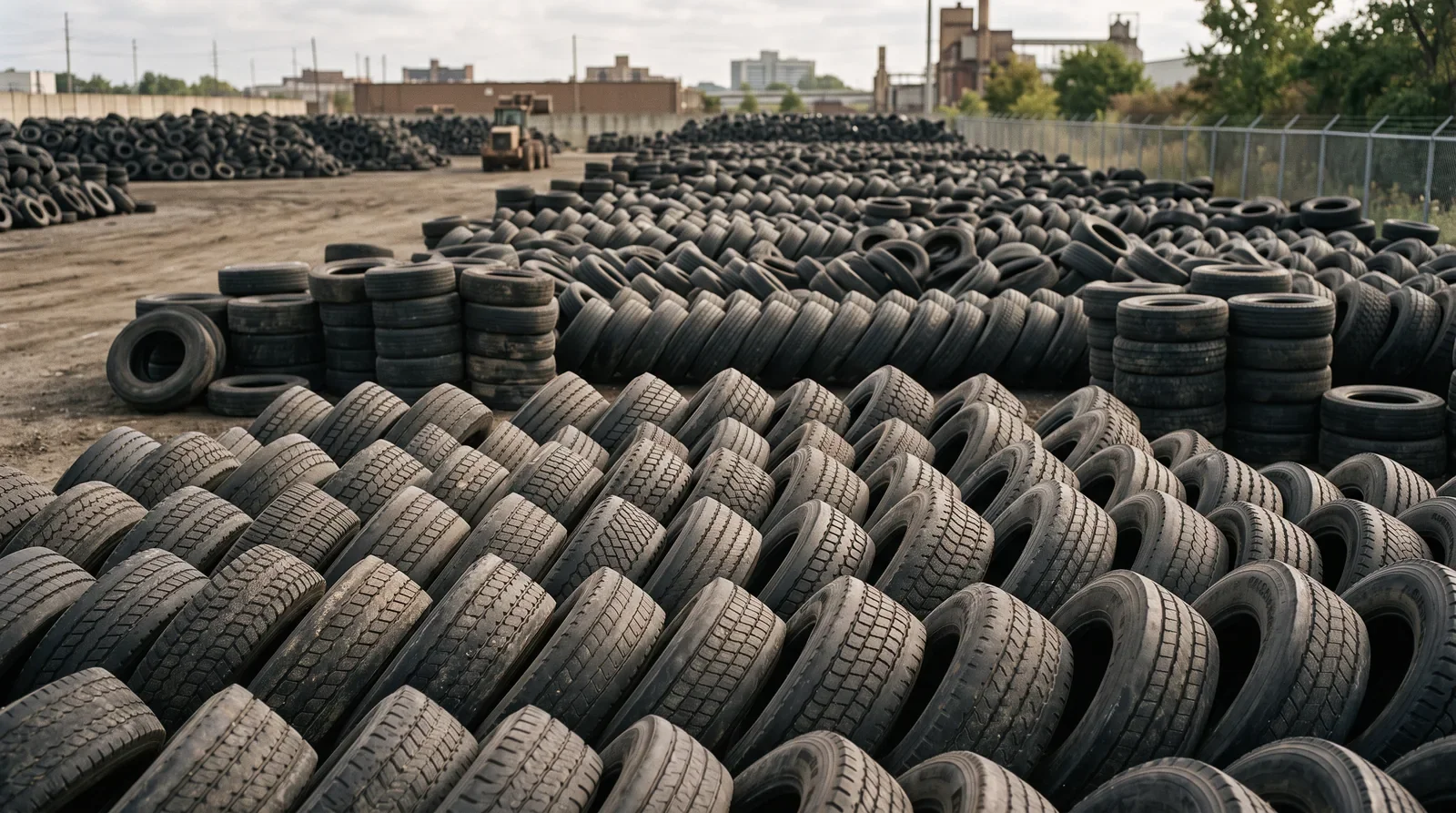 Illustrative industry scene
What if a tire’s last mile became the starting point for its next use?
Built to hold together. Difficult to take apart.
Tires are designed for strength, grip and years of wear. Their reinforced construction makes material separation a central challenge when that useful life ends. Other rubber products bring their own combinations of polymers, textiles, fillers and metal.
Breaking an item into smaller pieces is only part of the job. The recovery opportunity depends on how well the constituent materials can be liberated, separated and matched to an appropriate next use.
Look beyond the tire. See the materials inside.
JENROVA approaches tires and rubber through dry material liberation, using no added process chemicals and no hammer mills in the liberation stage. Feedstock preparation, classification and separation are tailored to the material being evaluated.
The objective is to open recovery pathways for rubber-rich, steel and fiber fractions. Sample testing establishes the separation quality, particle-size profile and residual content before an output is represented as suitable for a customer’s application.
Material fractions to evaluate
- Rubber-rich granulate or powder
- Steel and other metal fractions
- Reinforcing fiber fractions
Illustrative targets. Actual fractions and recovery depend on the feedstock and demonstrated processing route.
Recovery becomes meaningful
when material has a next use.
Potential applications may include qualified rubber compounds, molded products, composite ingredients and other industrial uses. Suitability depends on testing and the buyer’s specification; physical liberation does not by itself restore rubber to virgin polymer or establish devulcanization.
Who we work with
Tire collectors, rubber product manufacturers, processors and industrial material buyers.
Good questions.
Clear answers.
Can every rubber product be handled the same way?
Does liberation make recovered rubber identical to virgin rubber?
What is in your
material stream?
Tell us the rubber source, form, estimated volume, location, contamination and intended output specification.
More material stories.
 07
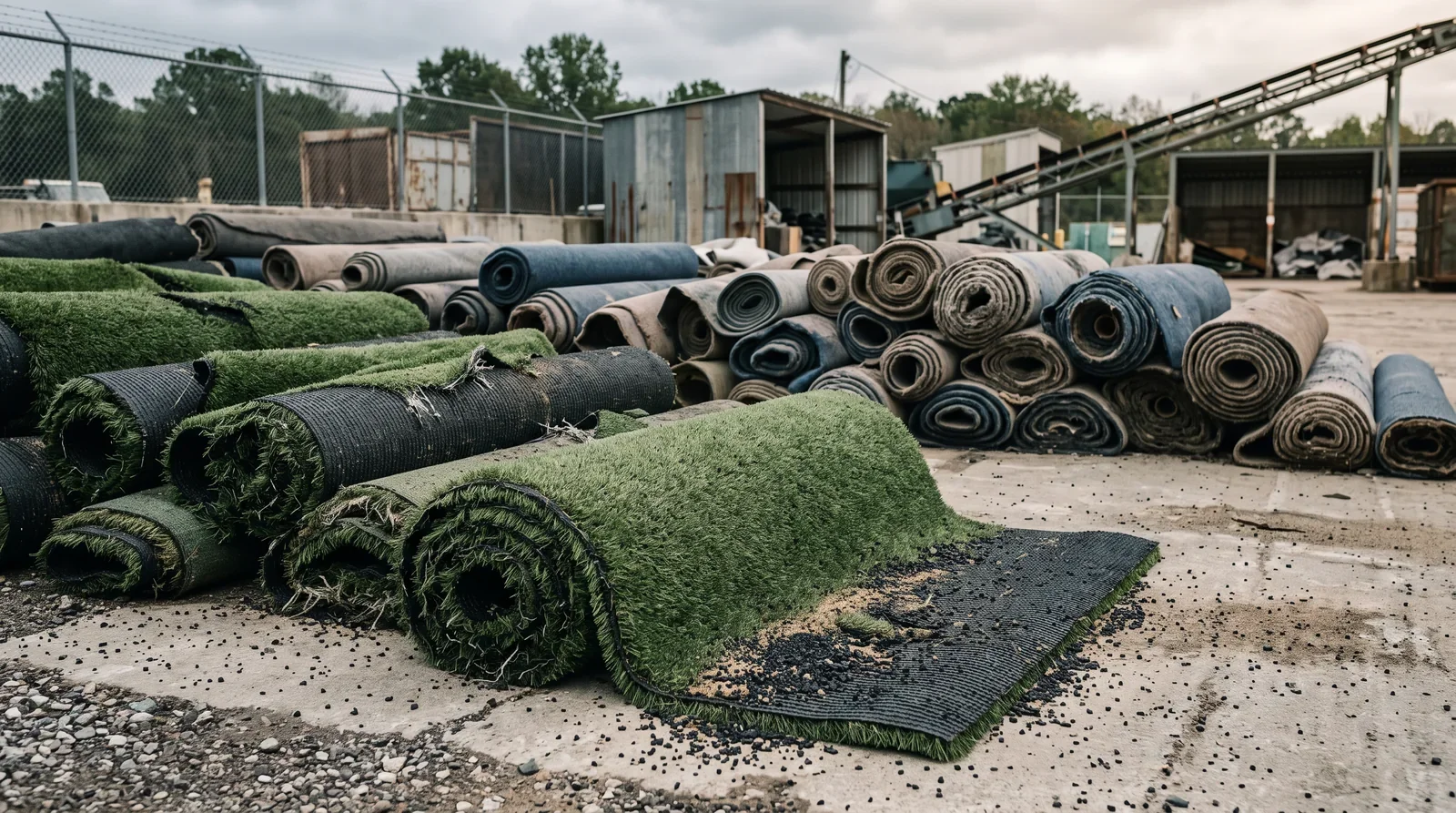
Artificial turf & carpet
Work through fibers, backing and infill to reveal the next recovery opportunity.
Explore the material story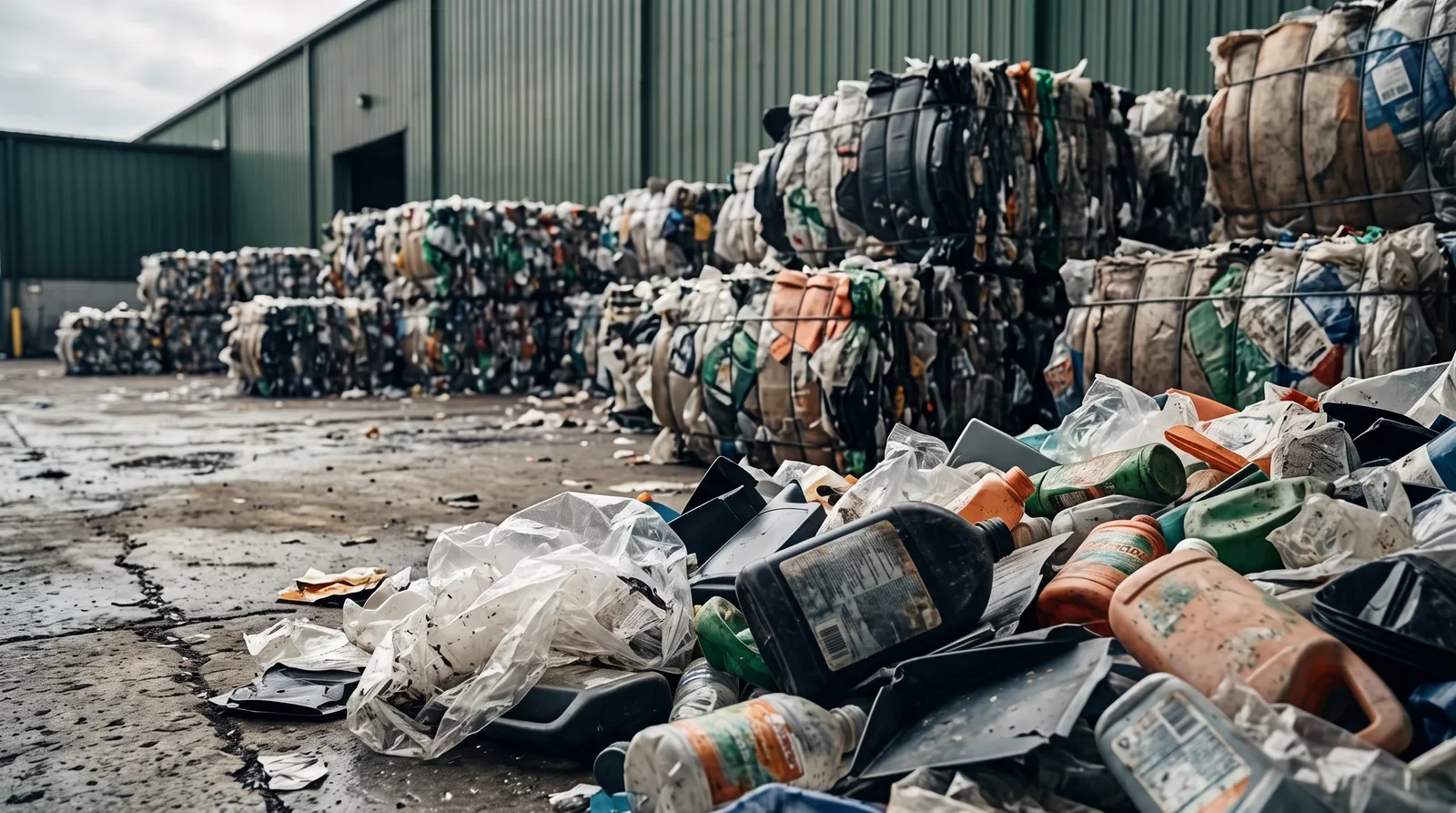 08
Plastics
Explore new pathways for films, mixed polymers and difficult plastic products.
Explore the material story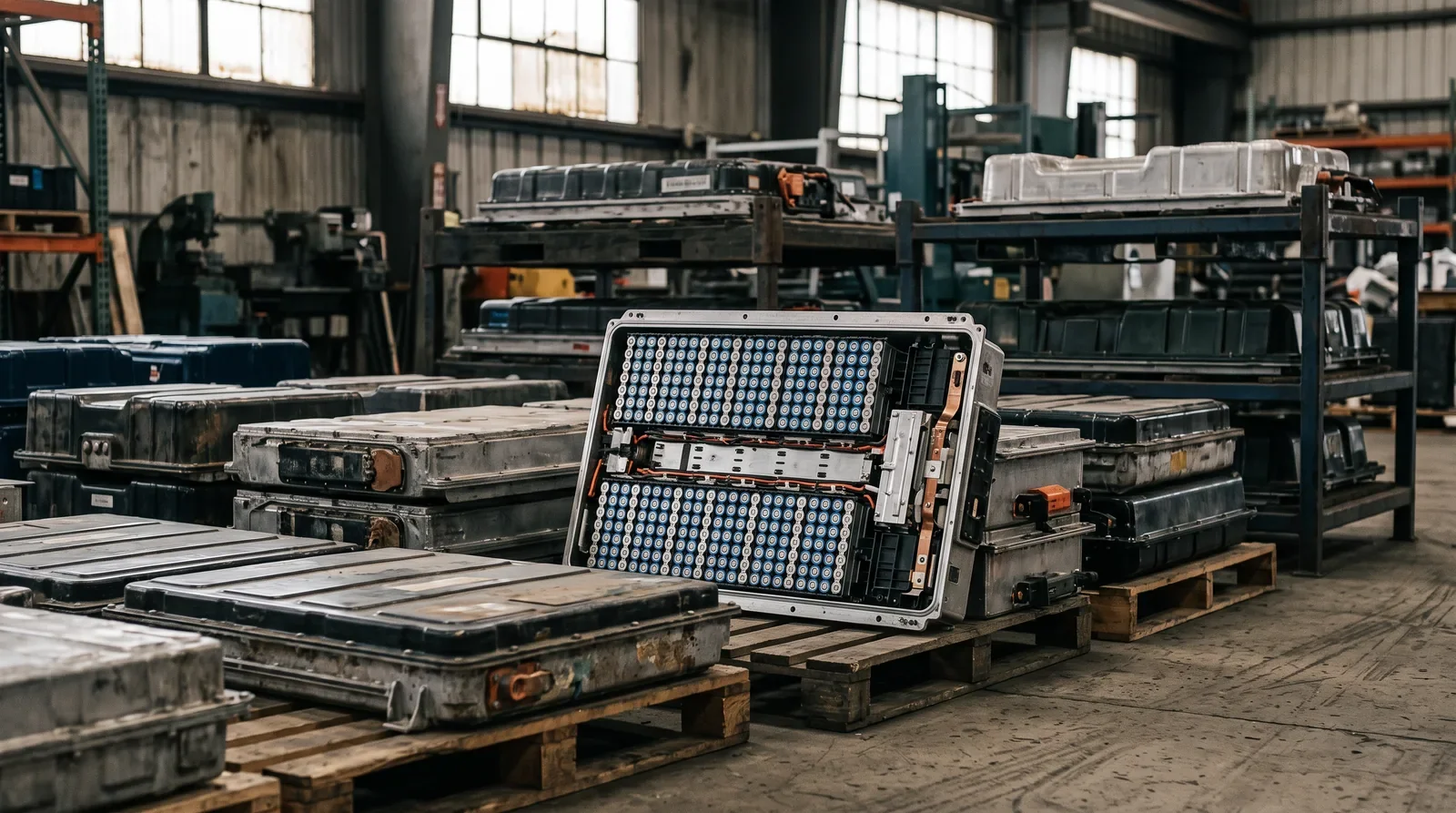 02
Lithium-ion batteries
Explore the value within battery assemblies, beyond a single recovered fraction.
Explore the material story