A brighter future for
retired solar panels.
Solar modules are built to withstand decades outdoors. Their durable, layered construction also creates a recovery challenge at the end of service. JENROVA looks for pathways beyond recovering only the easiest components.
Discuss this material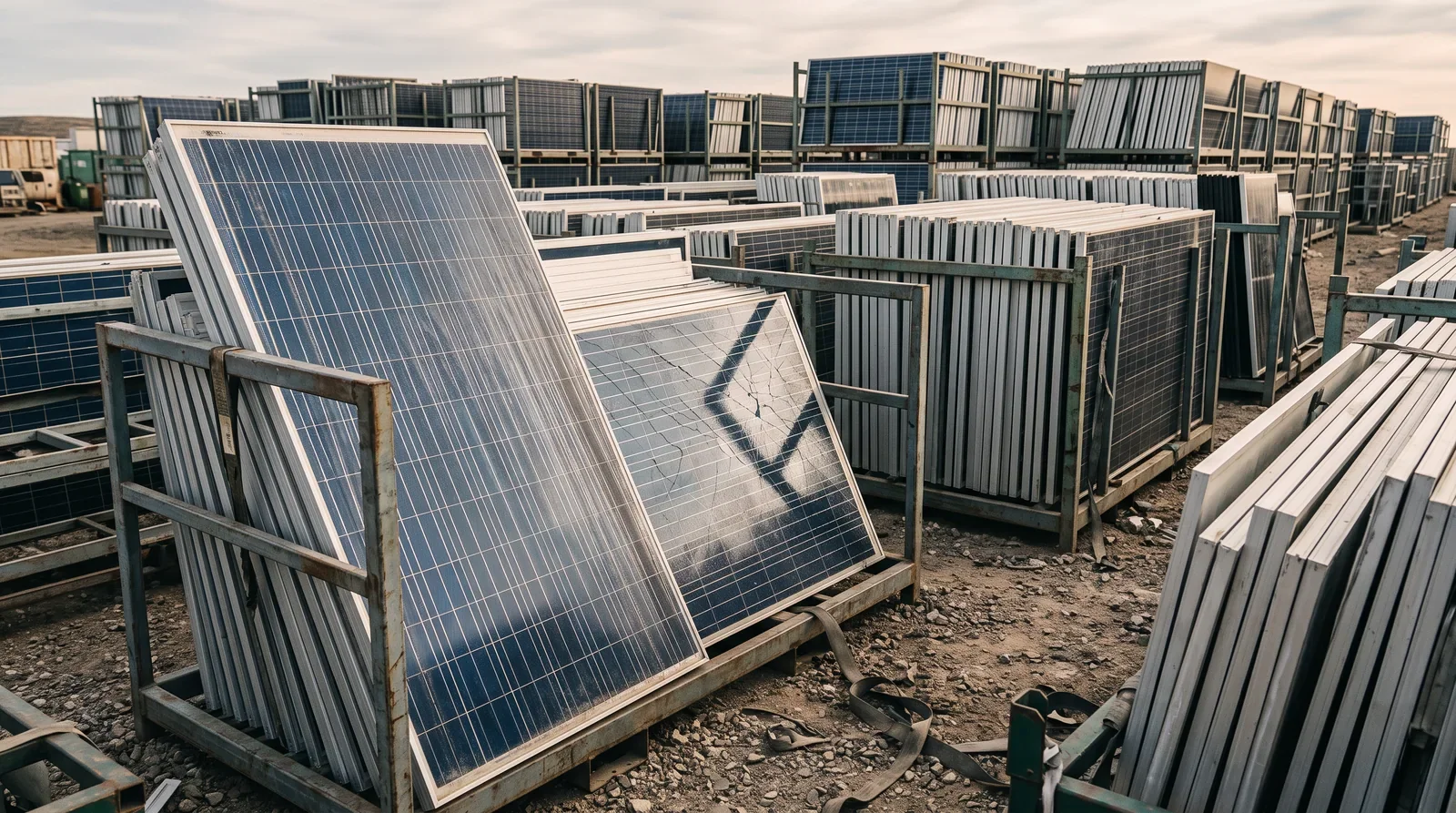 Illustrative industry scene
What if the materials that captured sunlight could find useful lives after the panel retires?
Layers that protect. Layers that complicate recovery.
A typical crystalline-silicon module combines a frame, glass, encapsulating polymers, cells, conductors and a backsheet. Those layers protect the module during use but can make material separation difficult.
Different module technologies have different compositions. Broken panels, manufacturing rejects and retired intact modules also arrive in different conditions, so a single assumed processing route is not enough.
Explore the material value between the layers.
JENROVA evaluates prepared solar-panel feedstocks for dry material liberation, with no added process chemicals and no hammer mills in the liberation stage. Preparation and downstream separation are selected for the module construction being assessed.
The aim is to release material fractions for further separation and testing. Recovering a glass-rich or cell-bearing fraction is a different milestone from producing specification-grade glass, purified silicon or refined silver. Each requires its own evidence.
Material fractions to evaluate
- Glass-rich fractions
- Aluminum and copper fractions
- Cell-bearing and polymer fractions
Illustrative targets. Actual fractions and recovery depend on the feedstock and demonstrated processing route.
Recovery becomes meaningful
when material has a next use.
Qualified glass and metals may have established industrial destinations. Cell-bearing and polymer fractions require further characterization and an appropriate recovery or end-use route. Outcomes depend on module technology and demonstrated separation performance.
Who we work with
Solar asset owners, decommissioning contractors, installers, module manufacturers and specialist recyclers.
Good questions.
Clear answers.
Can crystalline-silicon and thin-film panels use the same route?
Does recovery of a cell-bearing fraction mean recovered battery-grade or solar-grade material?
What is in your
material stream?
Share the module technology, manufacturer information if available, intact or broken condition, panel count or weight, location and project timing.
More material stories.
 02
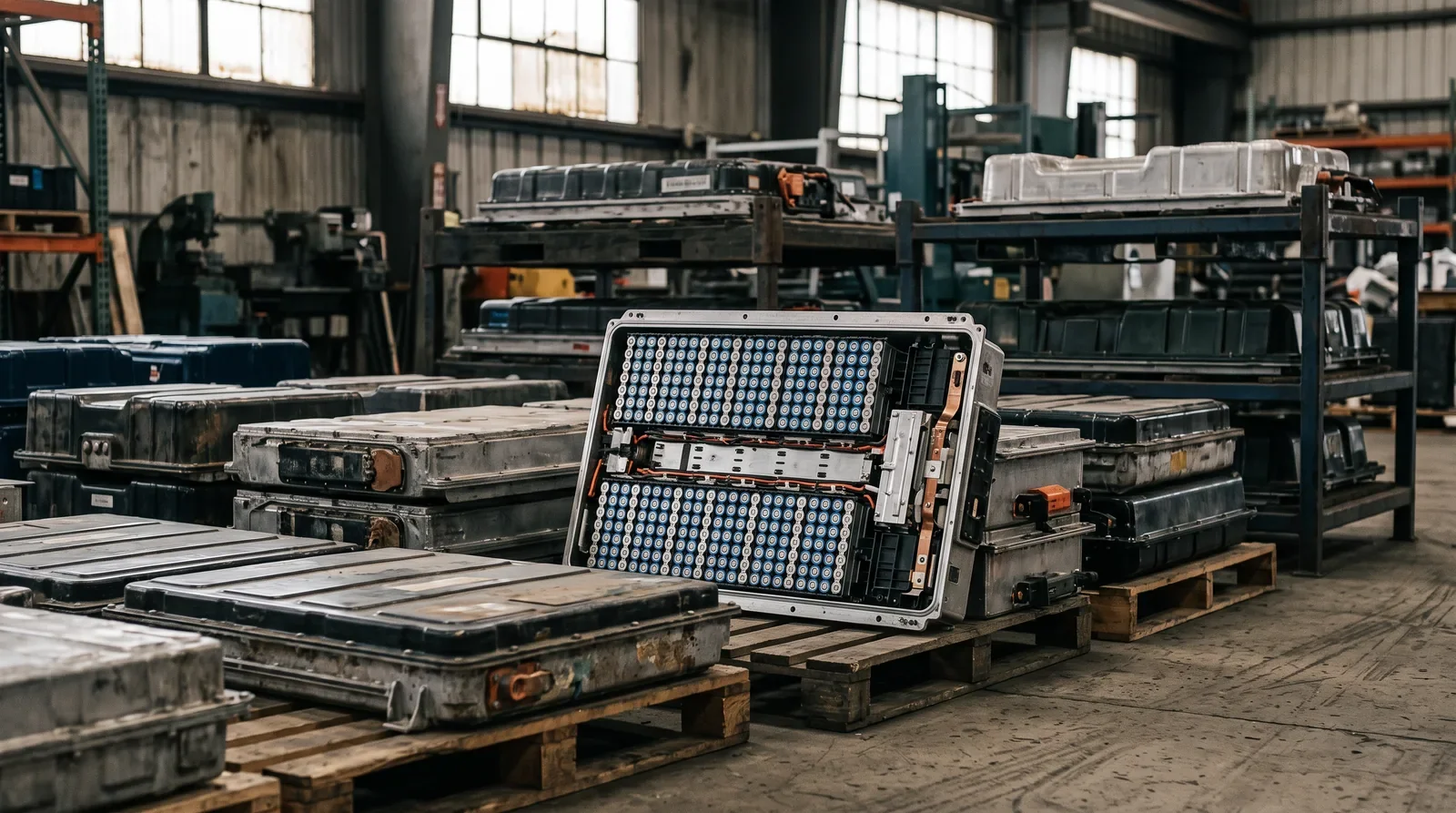
Lithium-ion batteries
Explore the value within battery assemblies, beyond a single recovered fraction.
Explore the material story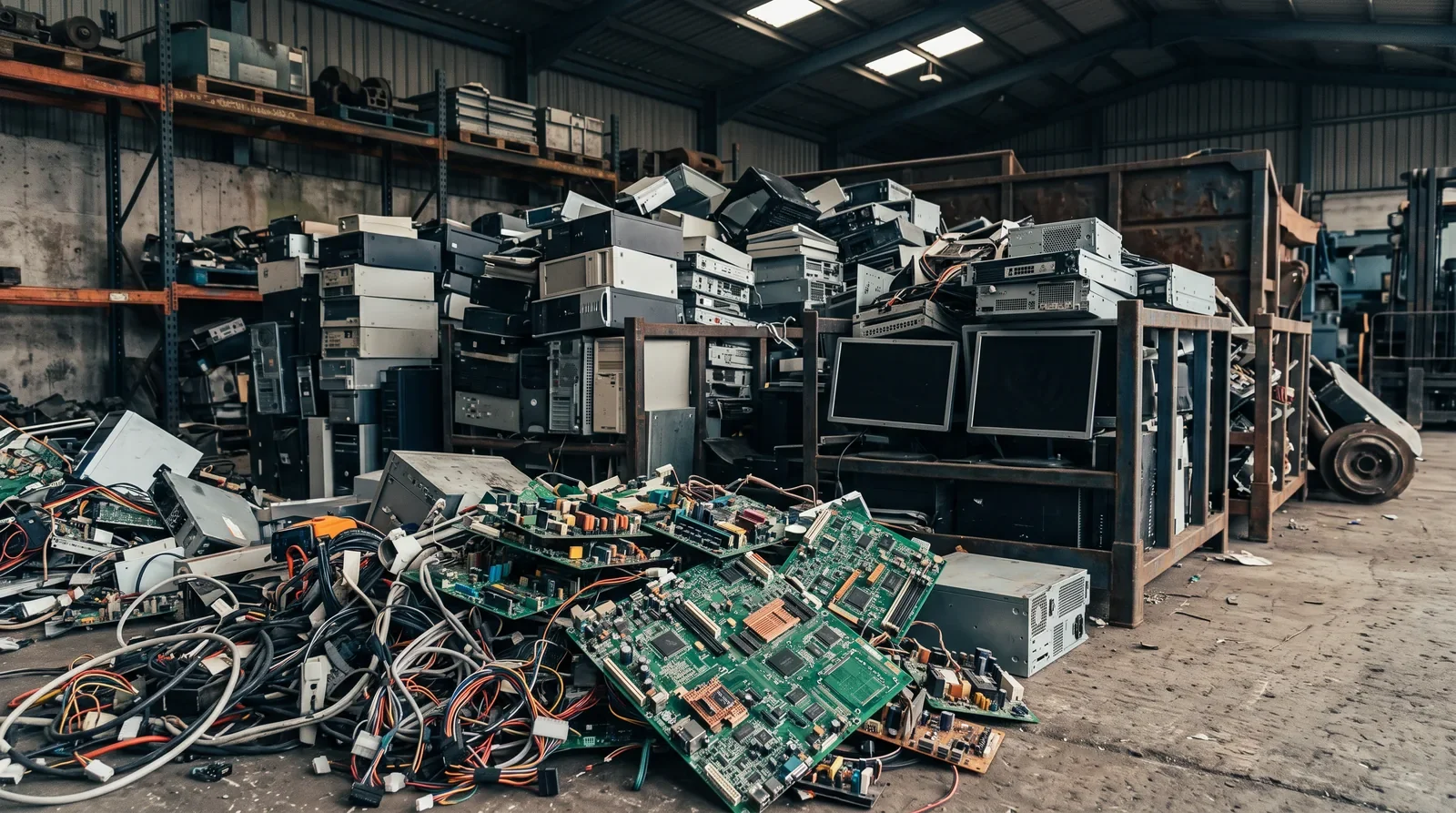 03
E-waste
Reveal the metals and other materials embedded in complex electronics.
Explore the material story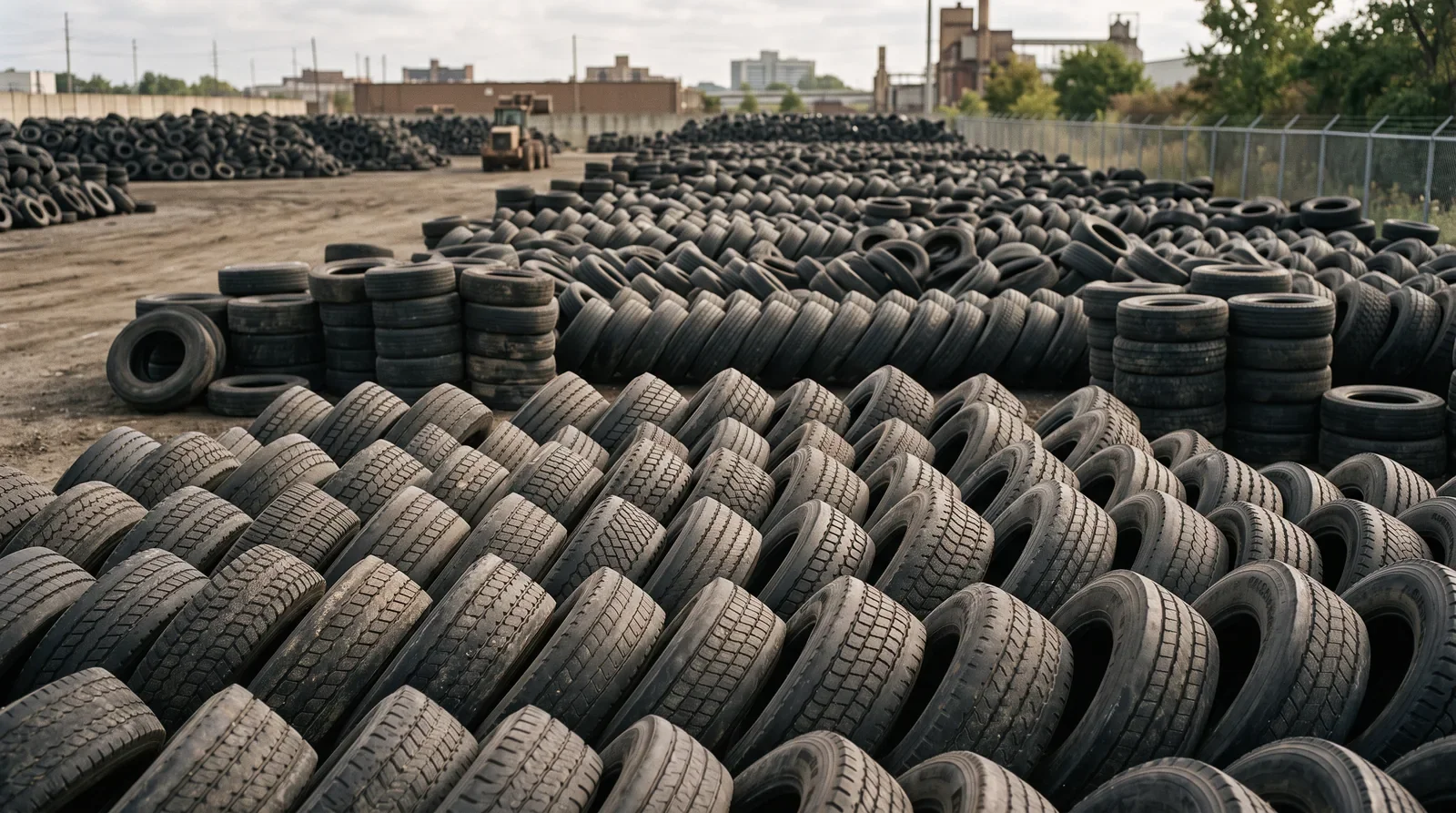 01
Tires & rubber
Unlock the rubber, steel and fiber still held inside an end-of-life tire.
Explore the material story