Lithium-ion batteries.
A new material future.
What if the metals, electrode materials and structural components inside a retired battery could be liberated and directed toward useful next lives? That question drives JENROVA’s approach to battery material recovery.
Discuss this material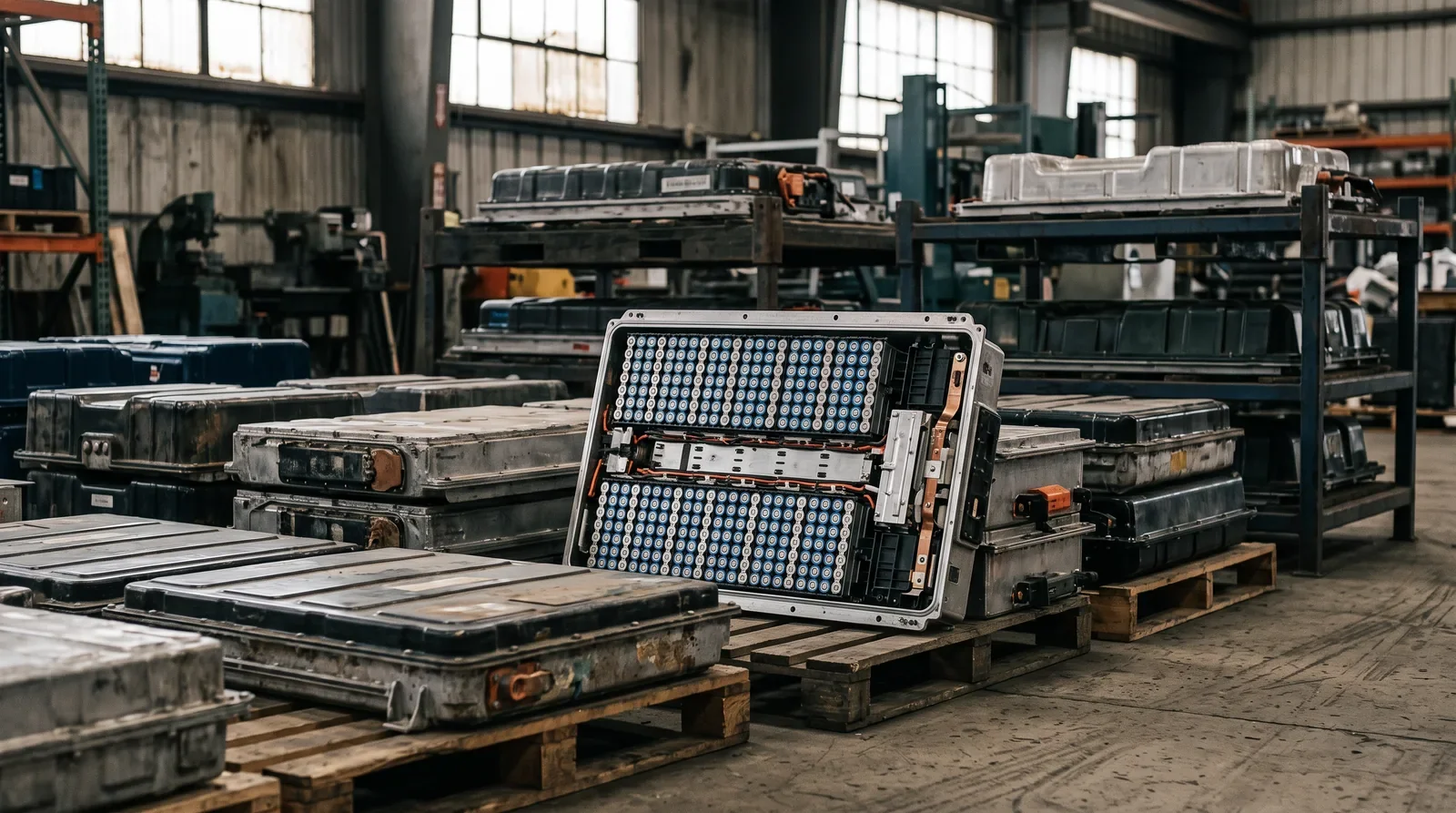 Illustrative industry scene
Wouldn’t it be a different world if we could recover more of what goes into a lithium-ion battery?
A complex assembly. A valuable opportunity.
A lithium-ion battery brings together materials with very different jobs: current collectors, electrode materials, separators, electrolyte and a protective housing. The valuable constituents are distributed through a tightly assembled system rather than sitting in one easily removable piece.
Composition also changes with battery chemistry. Some batteries contain nickel and cobalt; lithium iron phosphate batteries follow a different material profile. A credible recovery plan starts with knowing the feedstock and its condition.
The opportunity is broader than recovering one valuable metal. It is to understand where each material goes, how effectively it separates and what additional treatment is needed before it can be used again.
Liberate the materials. Expand the possibilities.
JENROVA’s dry liberation technology uses no added process chemicals and no hammer mills in the liberation stage. Applied within an appropriately engineered battery-processing route, this approach is intended to release constituent materials for subsequent separation and qualification.
The recovery conversation can include metal housings, copper and aluminum current collectors, and electrode-containing fractions. The actual output profile depends on chemistry, incoming condition, preparation and the separation route demonstrated in testing.
Liberation is one stage in a recovery system. It does not, by itself, turn a mixed electrode fraction into refined lithium, battery-grade graphite or a qualified cathode product. Downstream refining and material qualification may still be required.
The ambition is a more complete material picture: account for the fractions recovered, identify useful destinations and understand the residuals. Verified results—not a blanket promise of 100% recovery—establish what a particular battery stream can achieve.
Material fractions to evaluate
- Copper and aluminum fractions
- Electrode-containing material
- Casing and structural metals
Illustrative targets. Actual fractions and recovery depend on the feedstock and demonstrated processing route.
Recovery becomes meaningful
when material has a next use.
Qualified material fractions can be evaluated by downstream refiners and material users. The objective is to preserve opportunities for reuse across the battery’s material inventory, with composition, purity and performance confirmed before any end-use claim.
Who we work with
Battery manufacturers, EV and storage-system operators, specialist recyclers and downstream material recovery partners.
Good questions.
Clear answers.
Can all battery materials be recovered and reused?
Does chemical-free liberation mean the entire recovery chain uses no chemicals?
Can I send batteries directly to JENROVA?
What is in your
material stream?
Share the chemistry, pack or cell format, condition, estimated quantity and location. Agree on preparation, handling and acceptance requirements before arranging any transfer.
More material stories.
 03
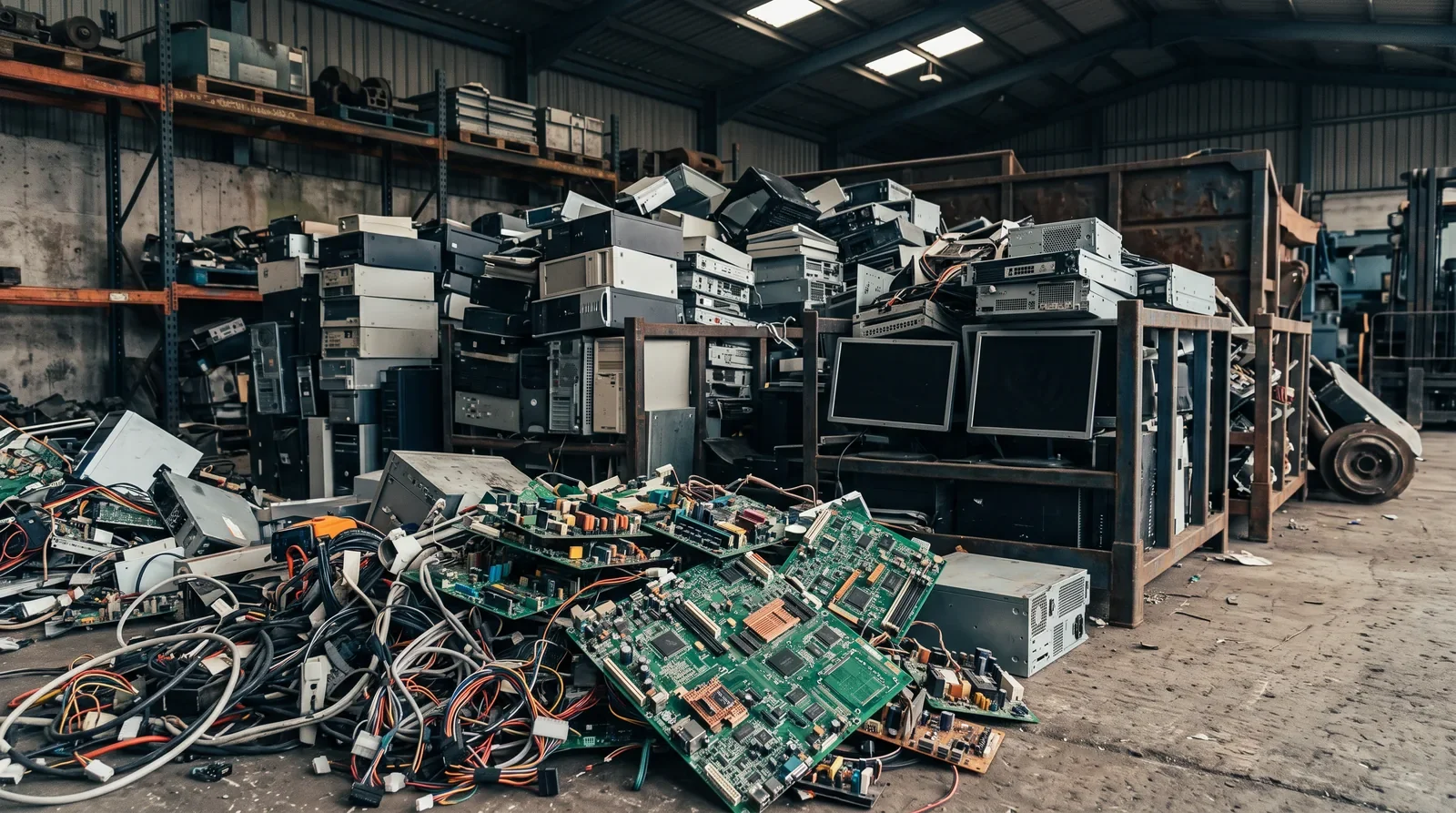
E-waste
Reveal the metals and other materials embedded in complex electronics.
Explore the material story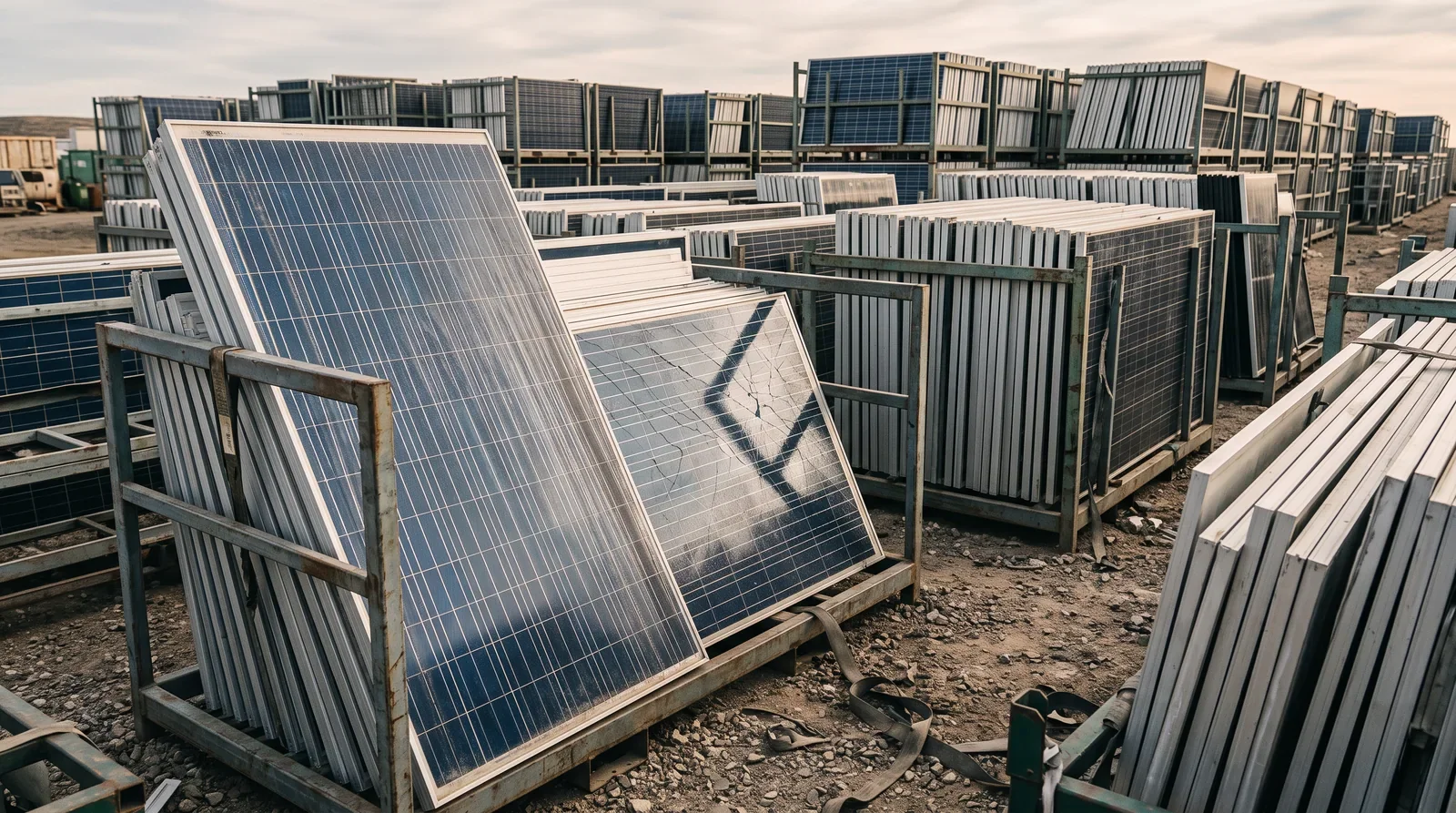 04
Solar panels
Look beyond the frame to the value within retired photovoltaic modules.
Explore the material story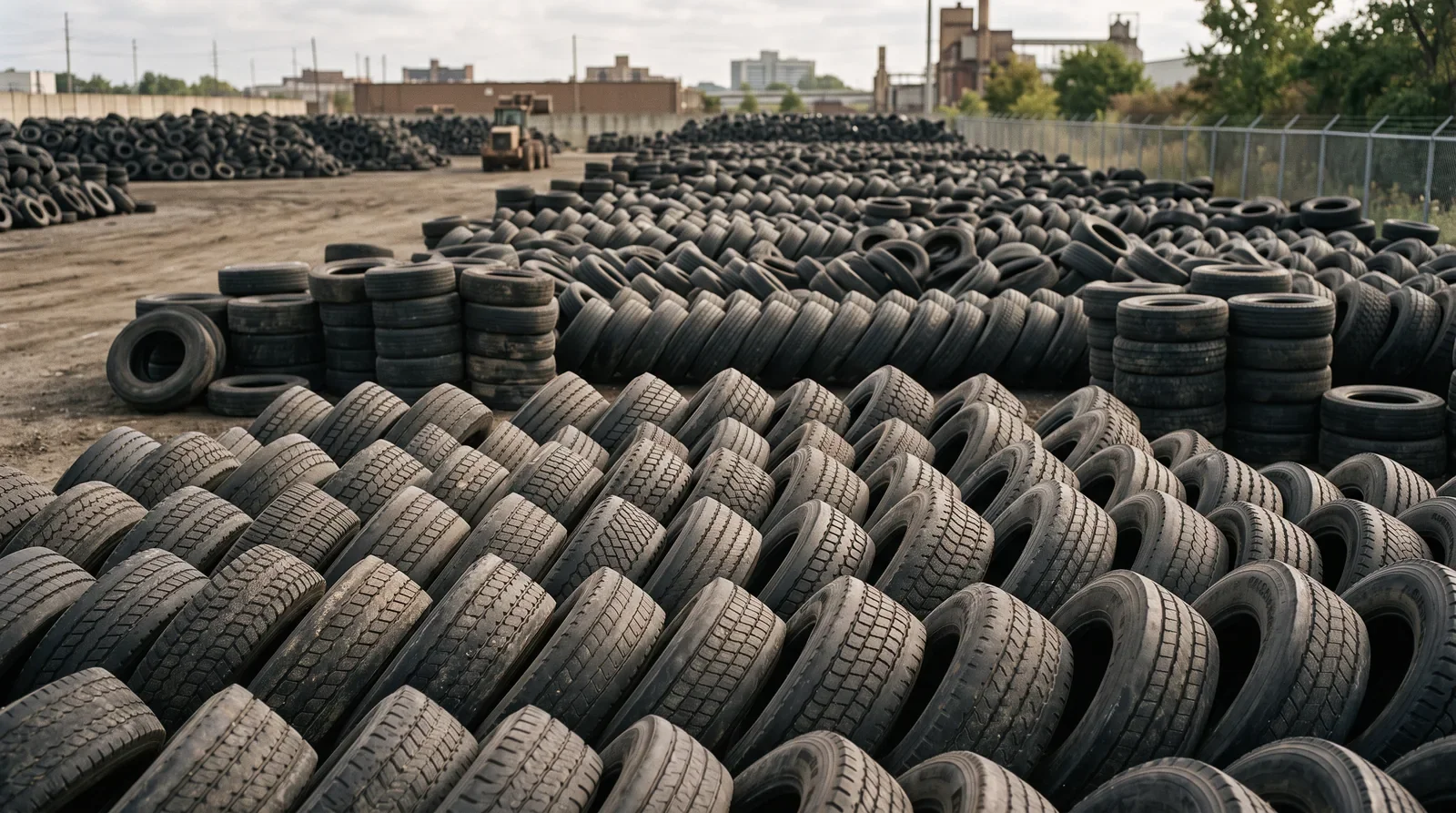 01
Tires & rubber
Unlock the rubber, steel and fiber still held inside an end-of-life tire.
Explore the material story