More recovery.
Less left behind.
There is more value inside complex waste. JENROVA’s dry liberation technology opens new pathways for the materials conventional recycling struggles to recover.
The material
is still there.
Let’s unlock it.
A product reaches the end of its life.
The materials inside it still hold possibility.
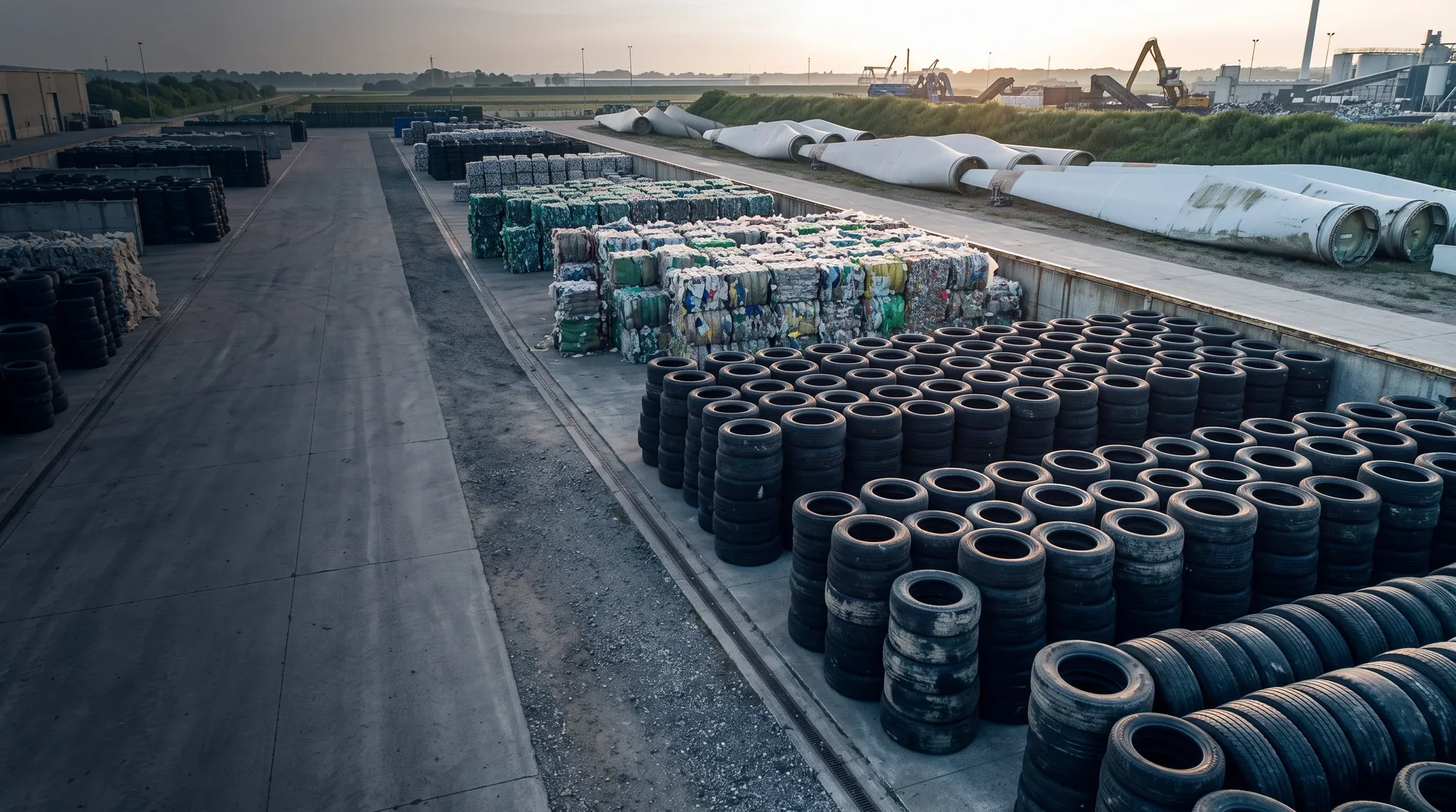
JENROVA is expanding recovery pathways across tires, batteries, electronics, solar panels, wind turbine blades, construction materials, turf, carpet and plastics. Our focus reaches beyond the obvious recyclables to the complex materials—and residual fractions—that deserve a closer look.
We start with what is in the stream, then work toward liberation, separation and a useful next life. Feedstock assessment establishes what can be processed and what outcomes can be supported.
Meet JENROVA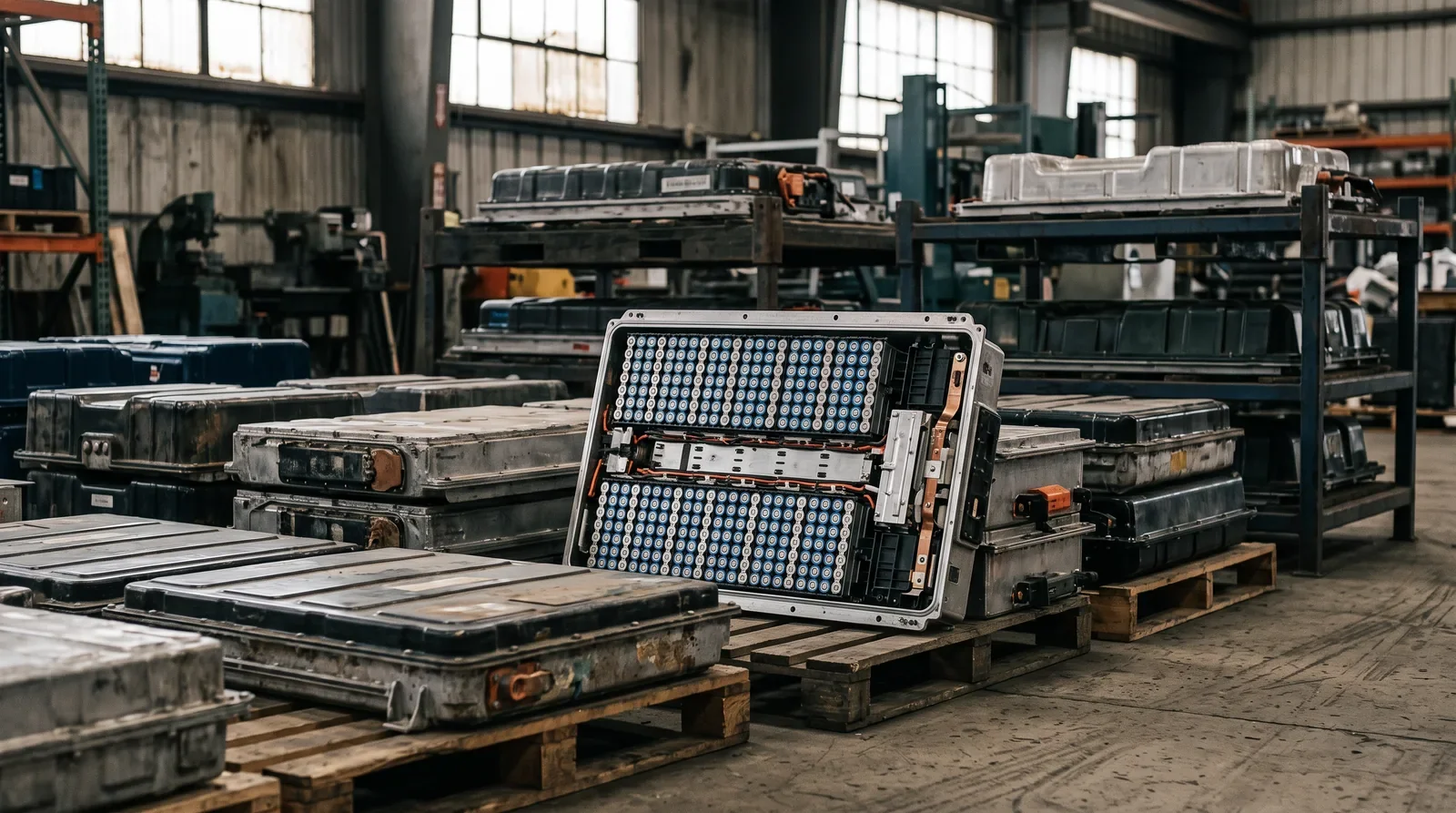 ENERGY & ELECTRONICS / LITHIUM-ION BATTERIES
What if the last charge
was just the beginning?
Wouldn’t it be a different world if more of the valuable materials inside a lithium-ion battery could be liberated and directed toward reuse?
That possibility drives JENROVA’s battery story: dry liberation, followed by the separation and qualification needed for meaningful material recovery.
Explore lithium-ion battery recoveryEvery material
has a story.
Start with the problem.
Explore the recovery possibility.
Showing all 8 material streams
 01
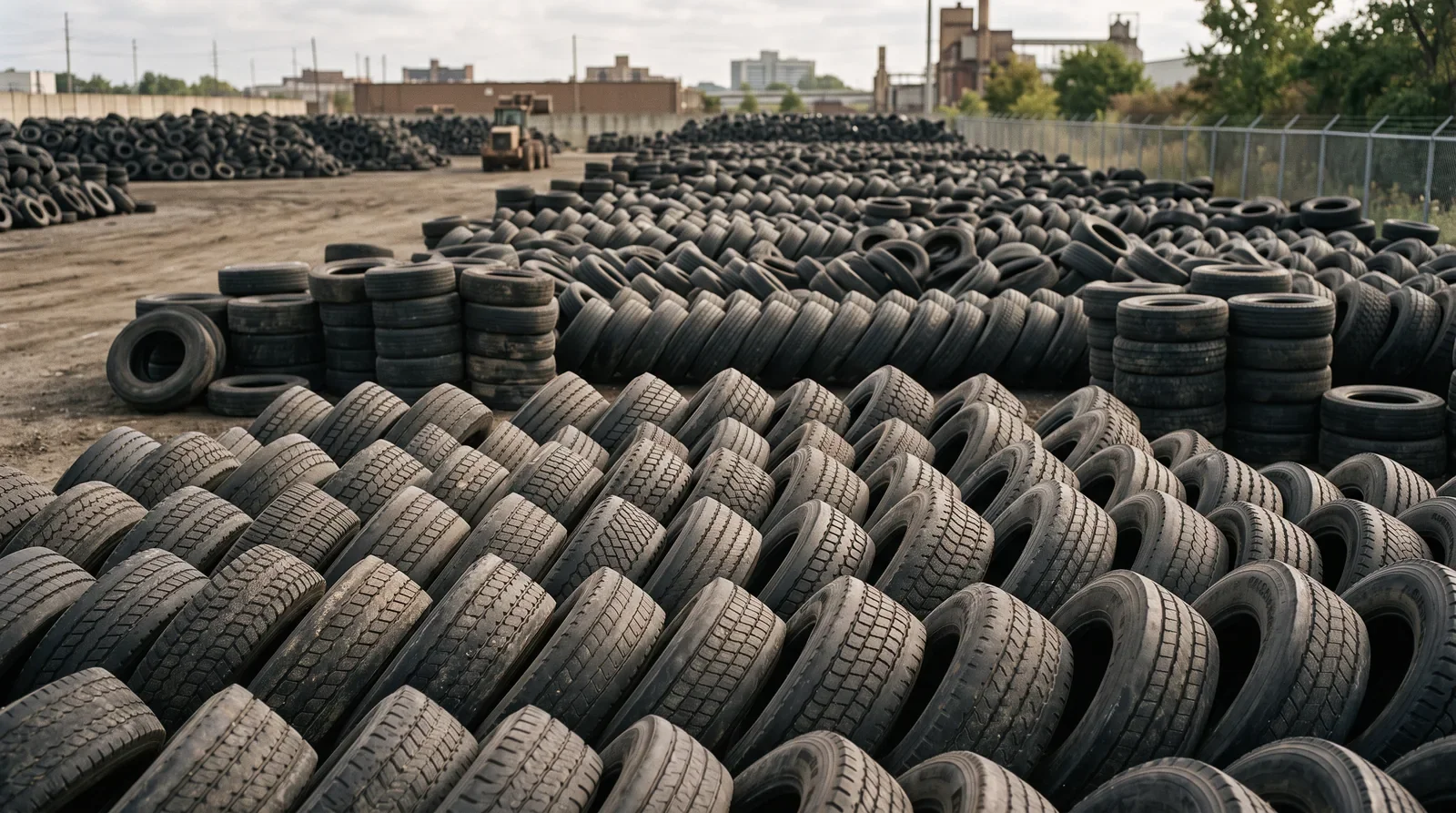
Tires & rubber
Unlock the rubber, steel and fiber still held inside an end-of-life tire.
Explore the material story02Lithium-ion batteries
Explore the value within battery assemblies, beyond a single recovered fraction.
Explore the material story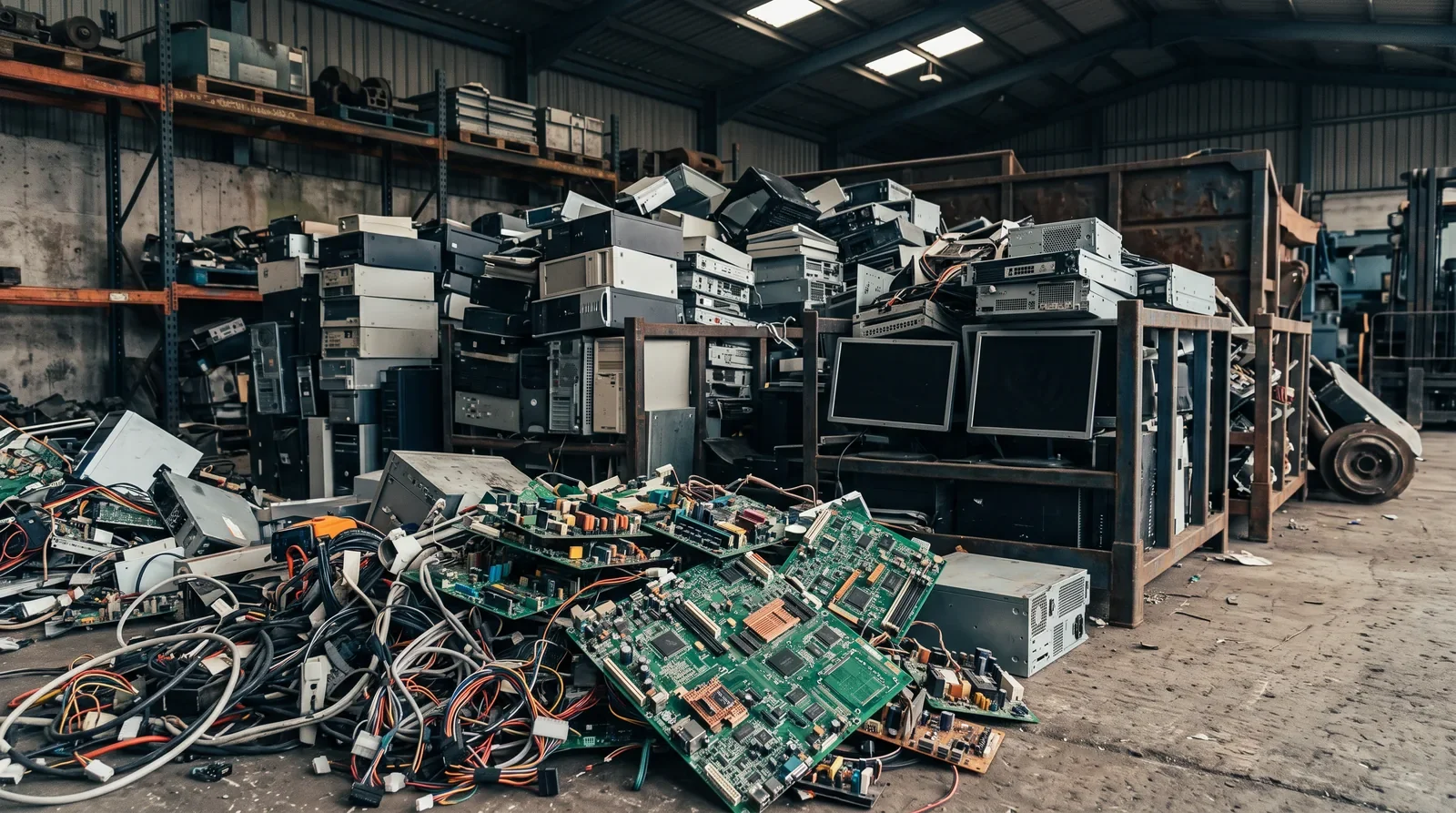 03
E-waste
Reveal the metals and other materials embedded in complex electronics.
Explore the material story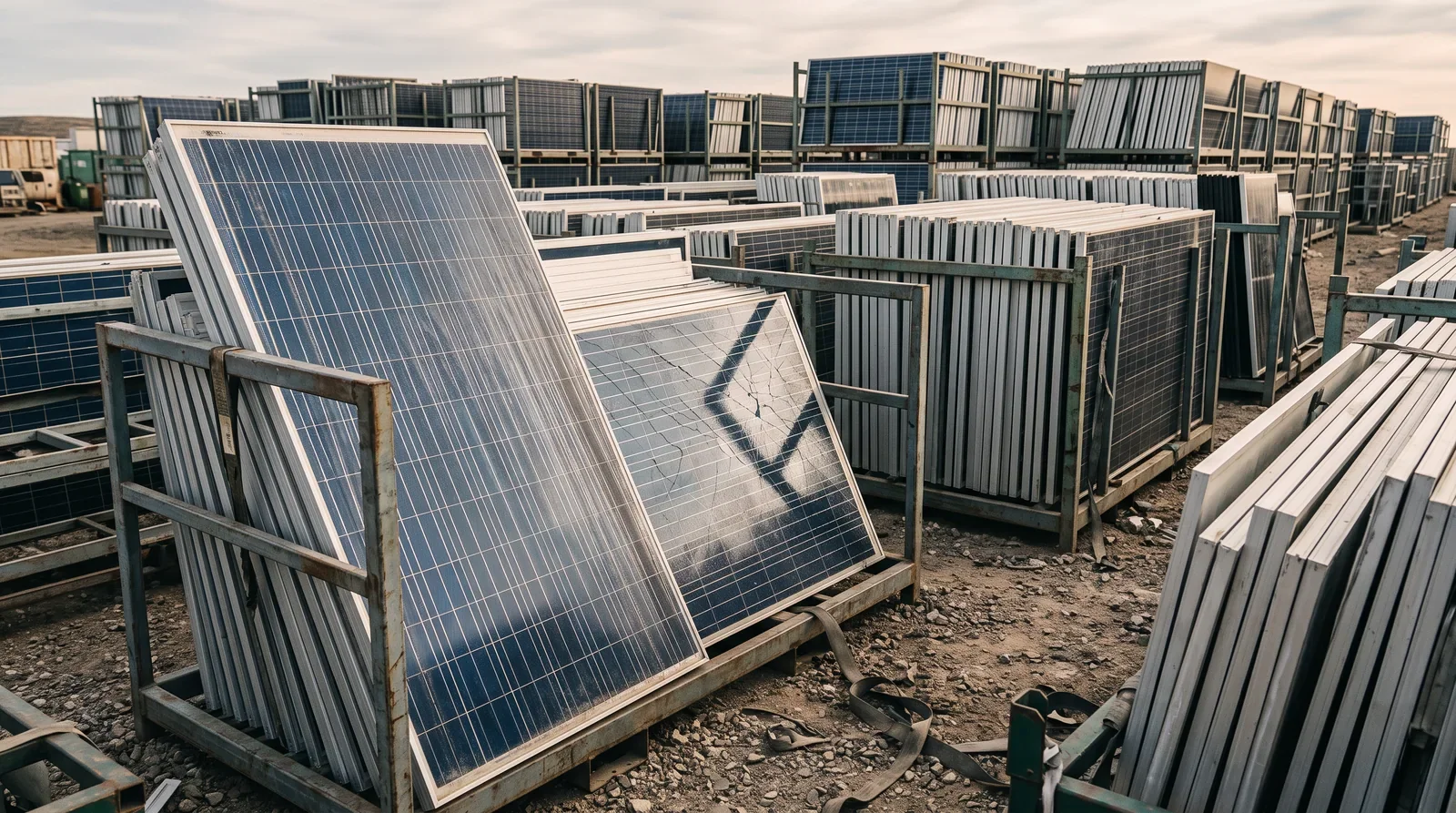 04
Solar panels
Look beyond the frame to the value within retired photovoltaic modules.
Explore the material story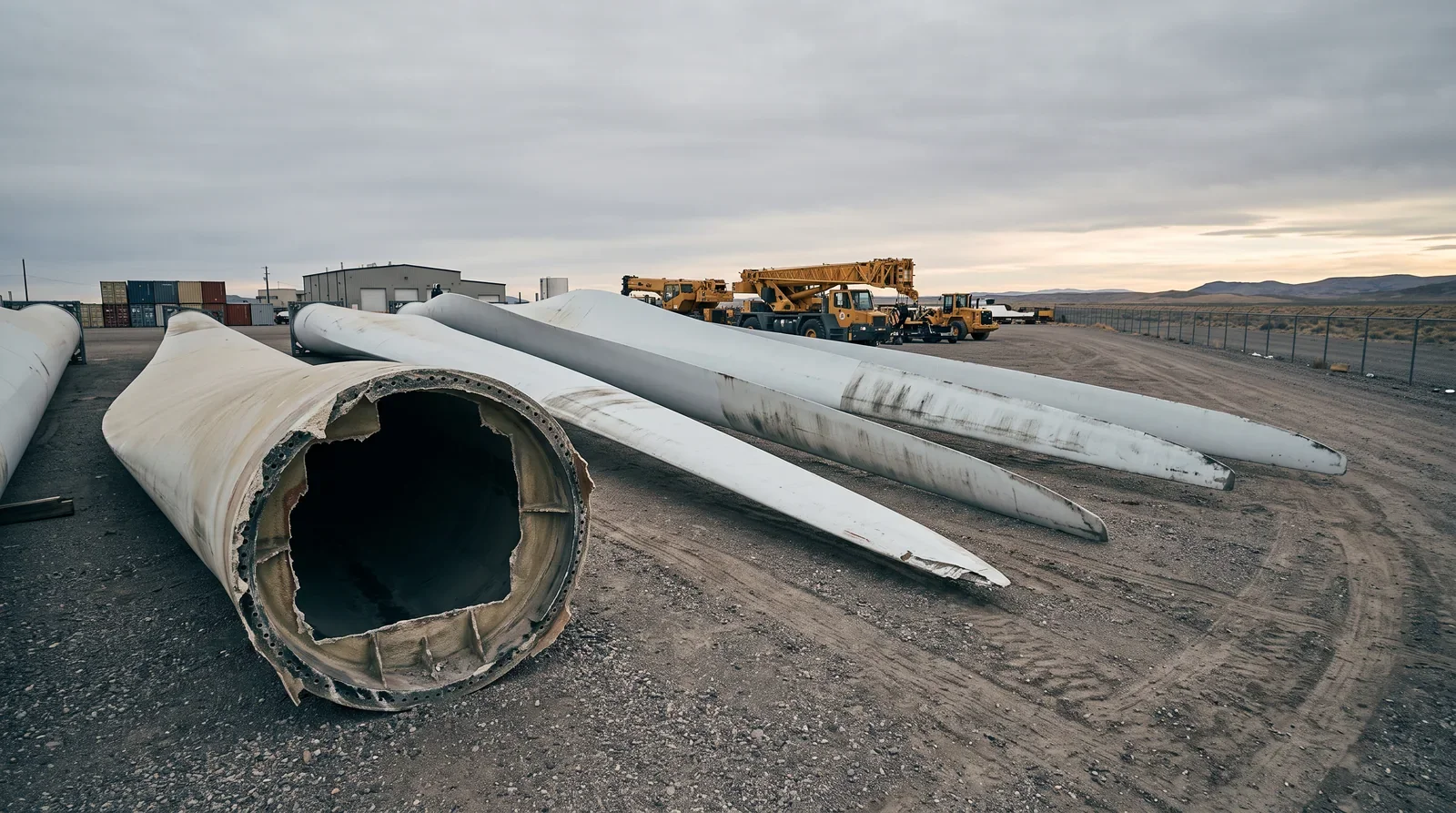 05
Wind turbine blades
Find a more useful destination for composite materials built to endure.
Explore the material story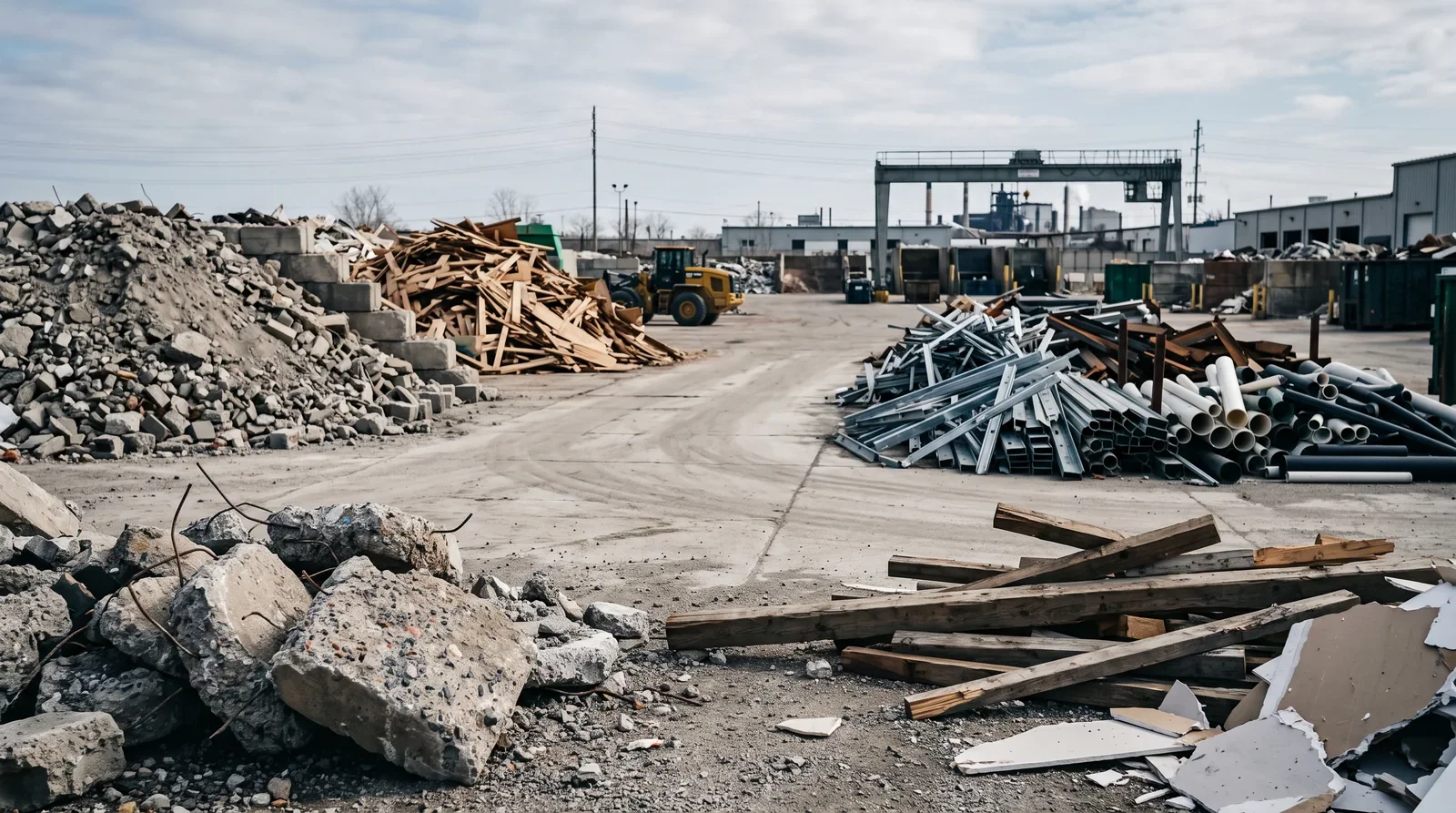 06
Construction debris
Look deeper into construction and demolition streams for usable material.
Explore the material story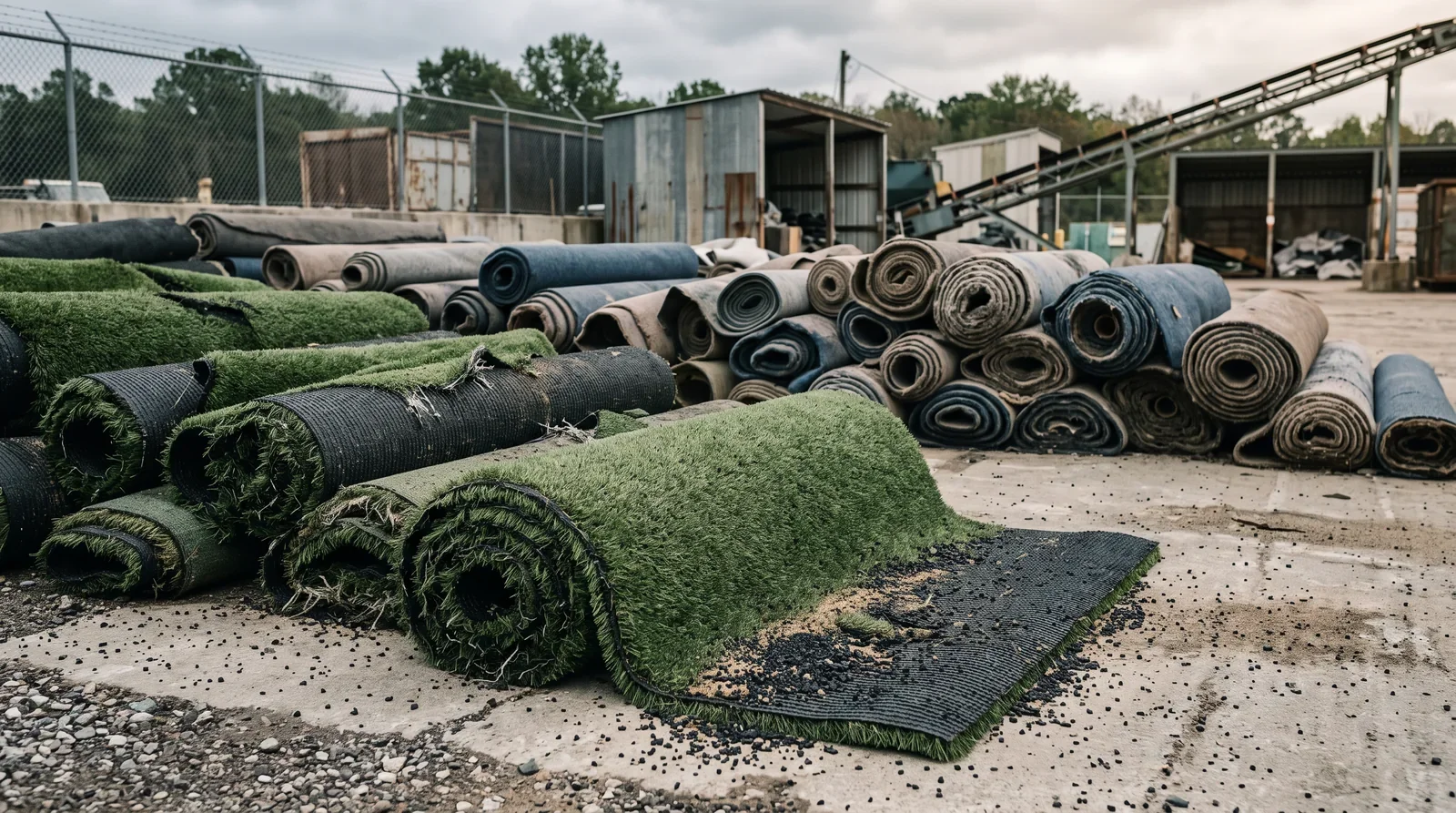 07
Artificial turf & carpet
Work through fibers, backing and infill to reveal the next recovery opportunity.
Explore the material story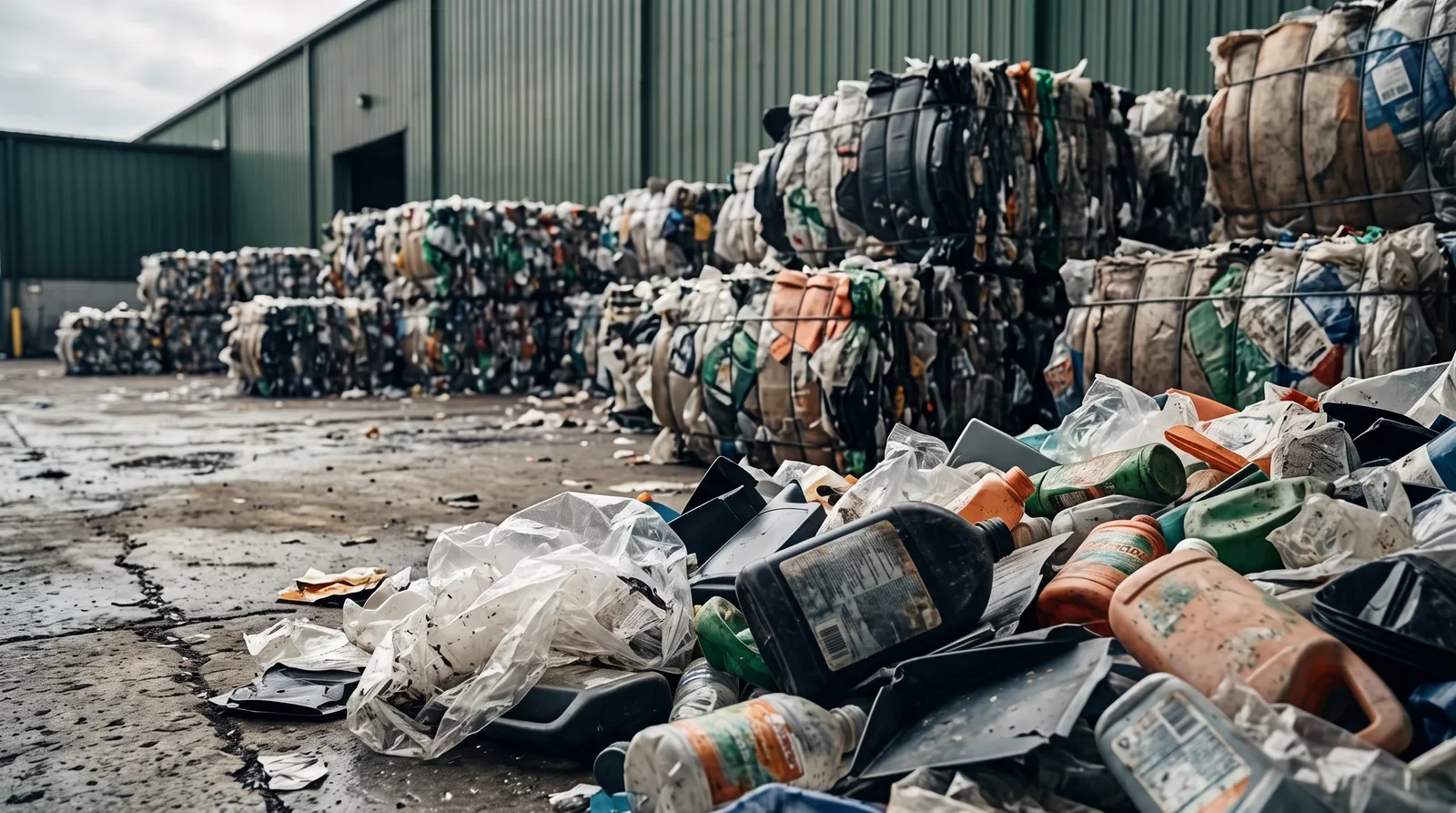 08
Plastics
Explore new pathways for films, mixed polymers and difficult plastic products.
Explore the material storyFrom complex waste
to material possibility.
Recovery is a sequence of decisions.
Every stage should lead toward a useful, qualified next step.
- 01
Understand the stream
Identify composition, condition, volume and the materials worth recovering. Agree on preparation and handling.
- 02
Liberate the materials
Apply the dry liberation stage to prepared feedstock, without added process chemicals or hammer mills.
- 03
Separate & characterize
Evaluate the material fractions, their properties and what remains. Select the appropriate downstream route.
- 04
Qualify the next use
Connect tested material to a buyer’s requirements. A recovered fraction becomes useful when it meets a real specification.
Dry liberation. No added process chemicals. No hammer mills in the liberation stage.
Explore our technologyLook deeper.
Recover more.
Account for the rest.
Waste reduction should reach beyond the easy-to-recover material.
Our ambition is to unlock useful fractions from difficult waste streams and reduce what remains for disposal. That means measuring the recovery opportunity, identifying appropriate next uses and understanding the residuals.
Results belong to a particular feedstock and process route. We build the conversation around testing, specifications and material destinations.
How the approach worksA global challenge.
A material opportunity.
Explore the geography behind the waste.
Use the interactive globe to explore plastic waste by continent and country, compare all 50 U.S. states, and follow the dated research behind the numbers.
Explore the globe and facts →Questions
worth asking.
What does JENROVA mean by material liberation?
Can JENROVA process every waste stream?
Is the process dry and chemical-free?
How do we start a project?
Bring us your
material challenge.
Tell us what you have, where it is and what a better outcome would look like. Let’s explore the recovery pathway.