A next chapter for
hard-to-recycle plastics.
Mixed polymers, films, dark plastics and layered products rarely present one simple recovery problem. JENROVA starts with their material composition and works toward a qualified route for what can be recovered.
Discuss this material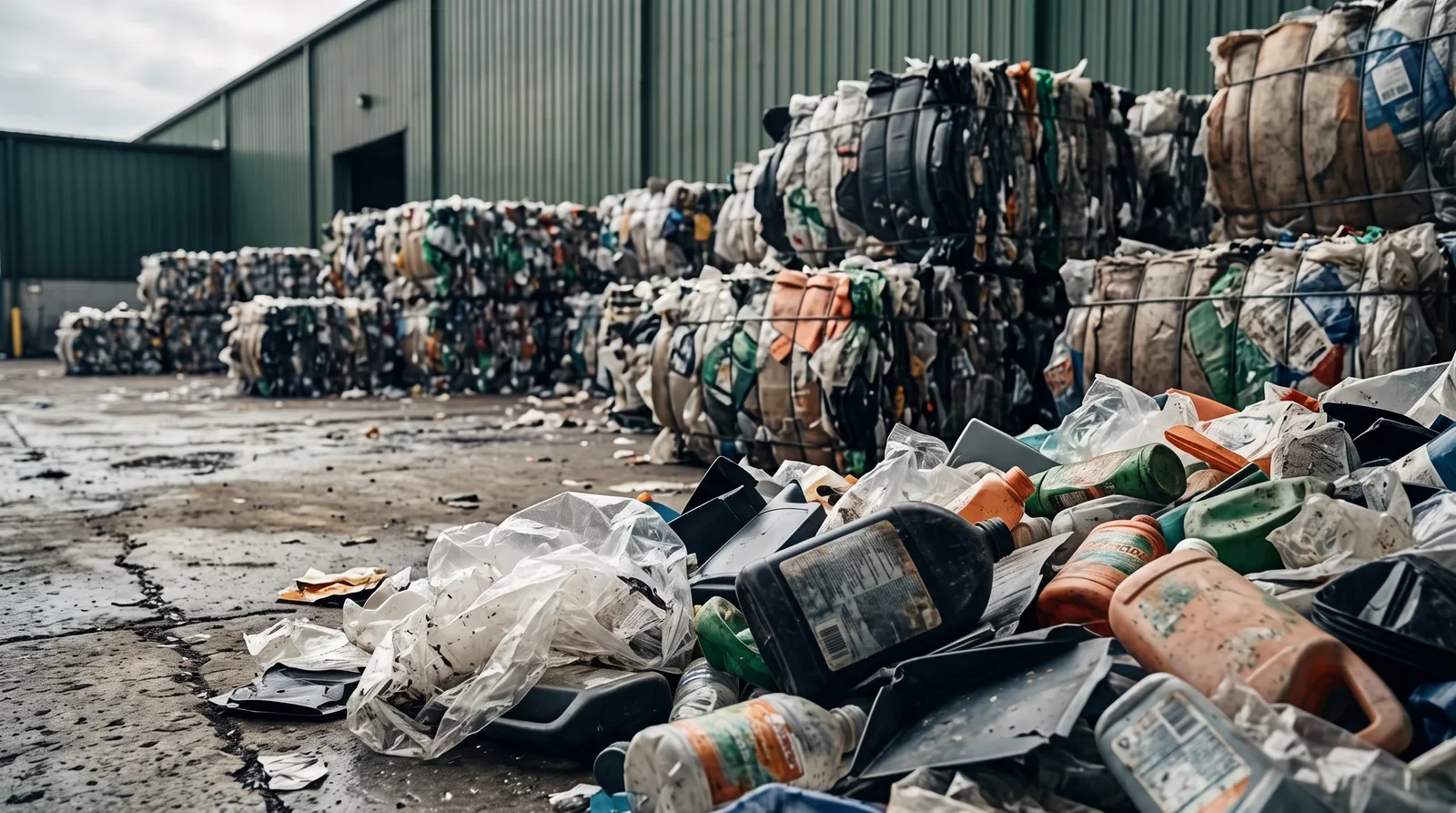 Illustrative industry scene
What if the plastics conventional recycling struggles with could become useful industrial materials?
Plastic is a family of materials, not a single stream.
A film, a rigid container and a composite laminate behave differently. Resin mixtures, pigments, fillers and contamination influence sorting, processing and the properties of a recovered material.
Size reduction alone does not make a mixed plastic suitable for every new product. A credible pathway connects the incoming composition with material preparation, classification and the needs of a real industrial user.
Give difficult plastics a more considered pathway.
JENROVA’s dry material liberation approach uses no added process chemicals and no hammer mills in the liberation stage. Prepared streams can be evaluated for granulate, powder or other fractions relevant to a customer’s requirements.
The team assesses resin mix, particle-size requirements, contamination and the proposed next use. Processing does not automatically separate every polymer or reverse its chemistry; product suitability depends on demonstrated output properties.
Material fractions to evaluate
- Polymer-rich granulate
- Classified fine material
- Other liberated constituent fractions
Illustrative targets. Actual fractions and recovery depend on the feedstock and demonstrated processing route.
Recovery becomes meaningful
when material has a next use.
Candidate destinations include tested recycled compounds, composite ingredients and industrial feedstocks. Particle size is only one qualification parameter; composition, consistency and performance matter just as much.
Who we work with
Manufacturers, converters, waste operators, brokers and industrial buyers of recovered material.
Good questions.
Clear answers.
Does processing guarantee a clean single-resin product?
Are films, dark plastics and laminates worth discussing?
What is in your
material stream?
Share the resin information available, material form, source, contamination, estimated volume, location and target specification.
More material stories.
 01
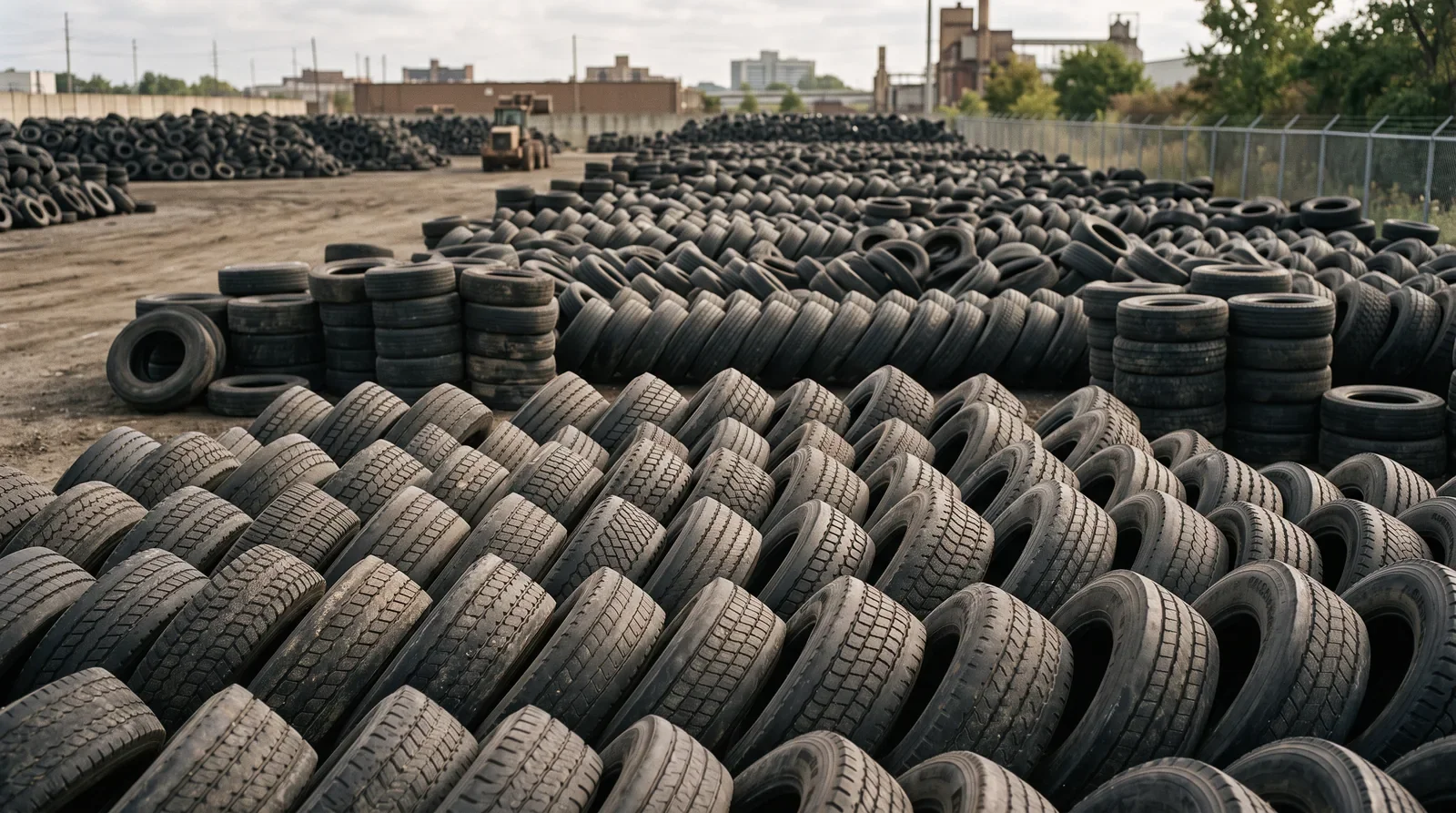
Tires & rubber
Unlock the rubber, steel and fiber still held inside an end-of-life tire.
Explore the material story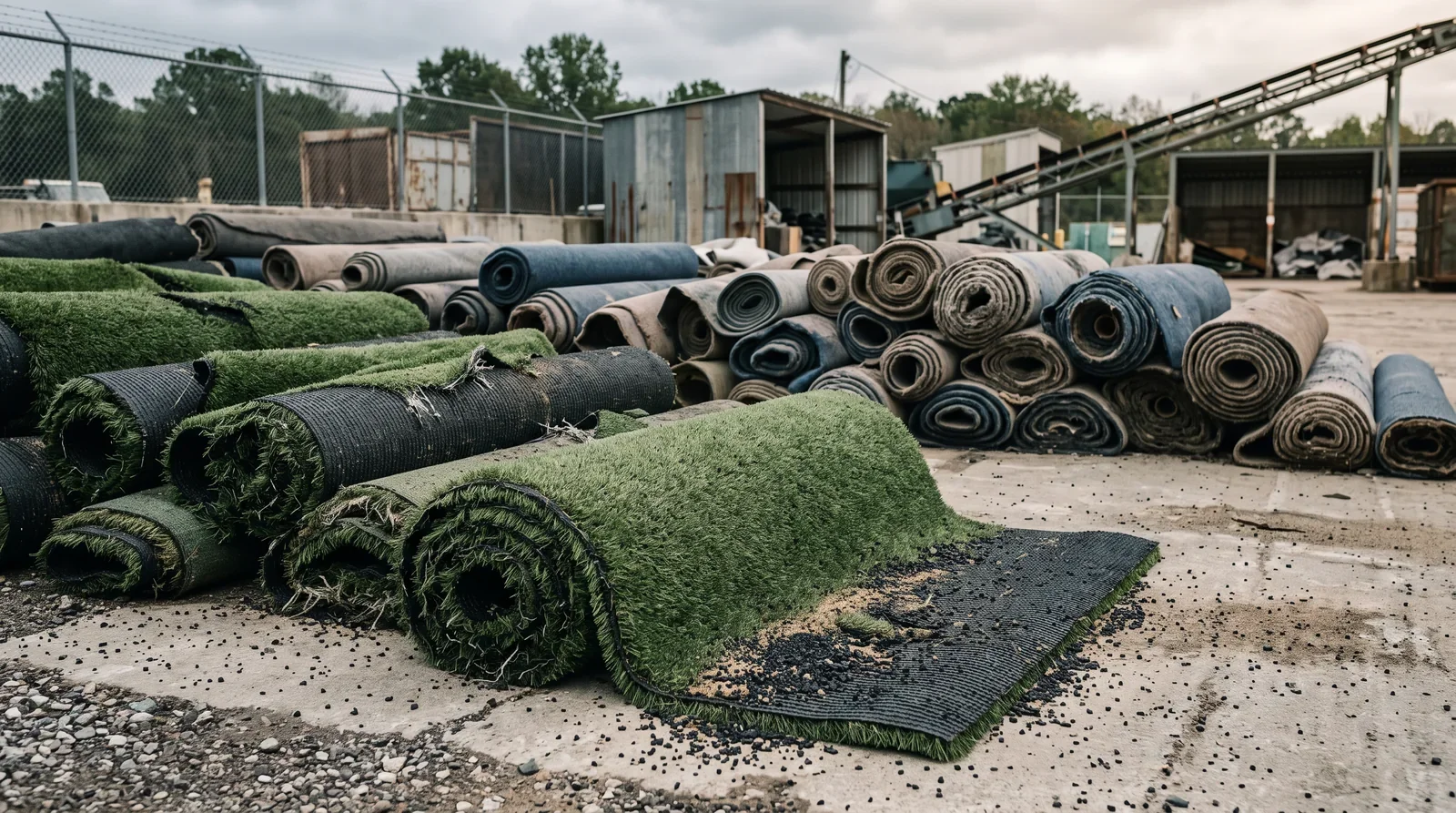 07
Artificial turf & carpet
Work through fibers, backing and infill to reveal the next recovery opportunity.
Explore the material story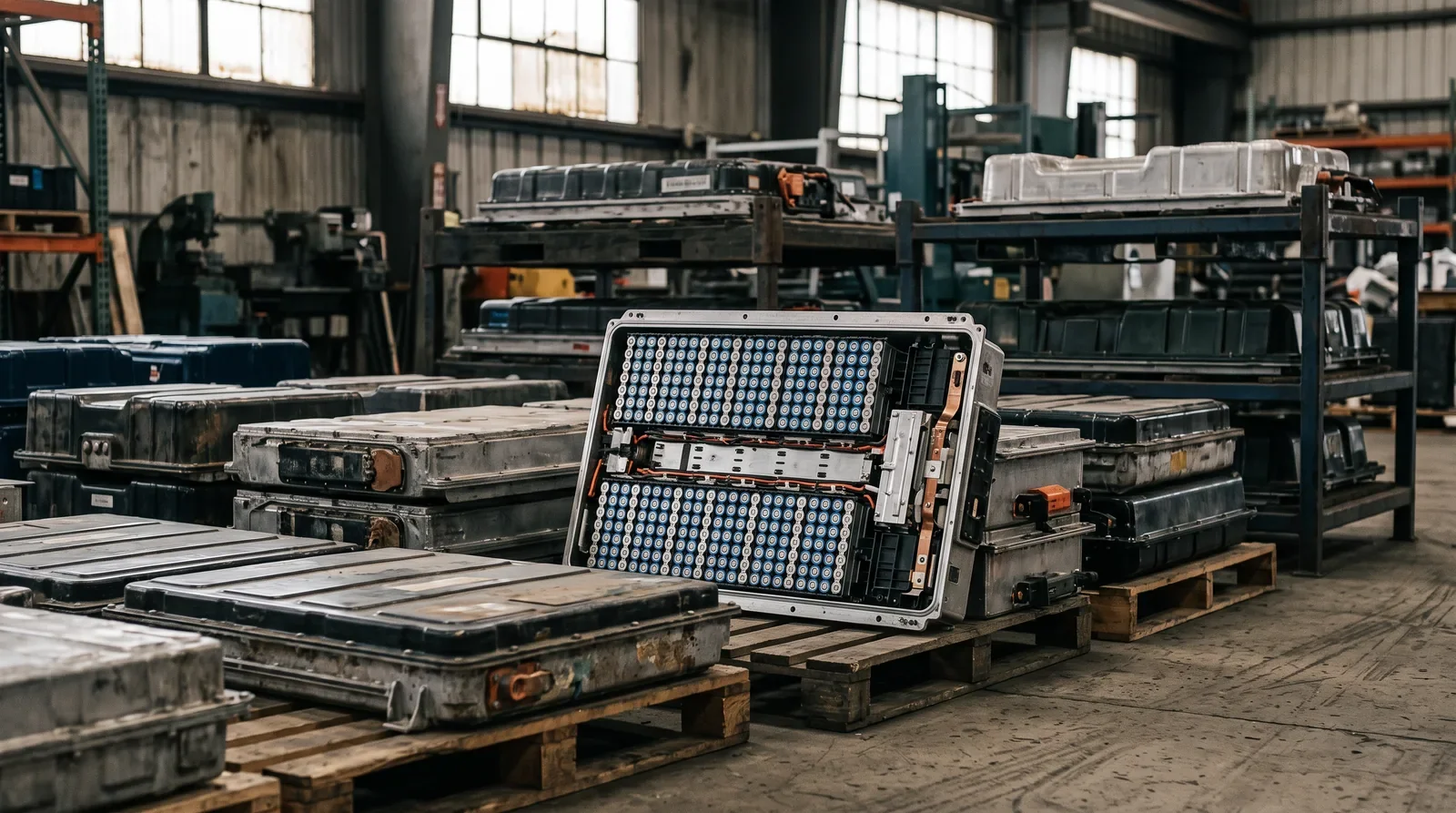 02
Lithium-ion batteries
Explore the value within battery assemblies, beyond a single recovered fraction.
Explore the material story