E-waste recovery.
Value beyond obsolescence.
A device can become obsolete long before the materials inside it lose their value. JENROVA looks at retired electronics as a complex material system with recovery opportunities still to be explored.
Discuss this material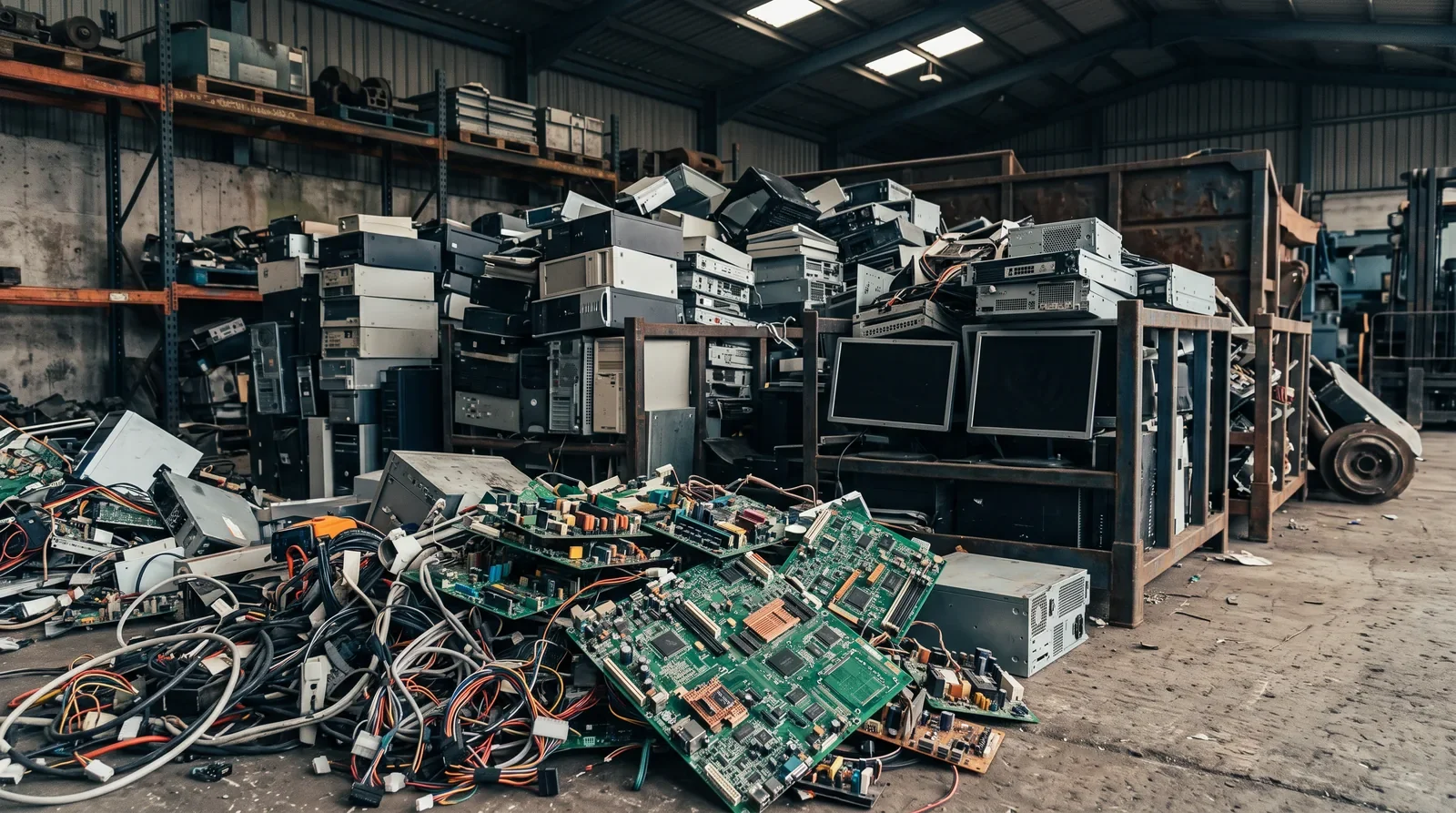 Illustrative industry scene
What if yesterday’s electronics could help supply tomorrow’s industry?
The value is embedded in the complexity.
Circuit boards, cables and electronic assemblies combine metals, plastics, glass and other materials in small, tightly joined structures. The challenge is turning that complexity into fractions a downstream user can work with.
Collecting equipment is the beginning. A meaningful material recovery plan also considers product type, hazardous components, batteries, information security, separation quality and a suitable destination for the outputs.
Open the assembly to new recovery pathways.
JENROVA’s dry liberation approach uses no added process chemicals and no hammer mills in the liberation stage. Appropriate preparation and removal of components requiring separate handling come before a feedstock enters that stage.
Prepared electronics are evaluated for liberation into material fractions that can be further separated and characterized. Metals-bearing fractions may require specialist refining; the presence of a valuable element does not establish an economically recoverable product.
Material fractions to evaluate
- Metals-bearing fractions
- Prepared polymer fractions
- Glass and other nonmetal fractions
Illustrative targets. Actual fractions and recovery depend on the feedstock and demonstrated processing route.
Recovery becomes meaningful
when material has a next use.
The next step depends on what testing shows: further metals recovery, a qualified polymer application or another suitable industrial route. Outputs must meet the receiving partner’s requirements. Material processing is separate from data sanitization and does not imply a data-destruction certification.
Who we work with
Electronics manufacturers, equipment asset managers, specialist recyclers and downstream metals recovery partners.
Good questions.
Clear answers.
Is this the same as IT asset disposition or data destruction?
Are solar panels treated as ordinary e-waste?
What is in your
material stream?
Describe the equipment or component types, battery content, preparation, quantity and location. Include any data-security and traceability requirements.
More material stories.
 02
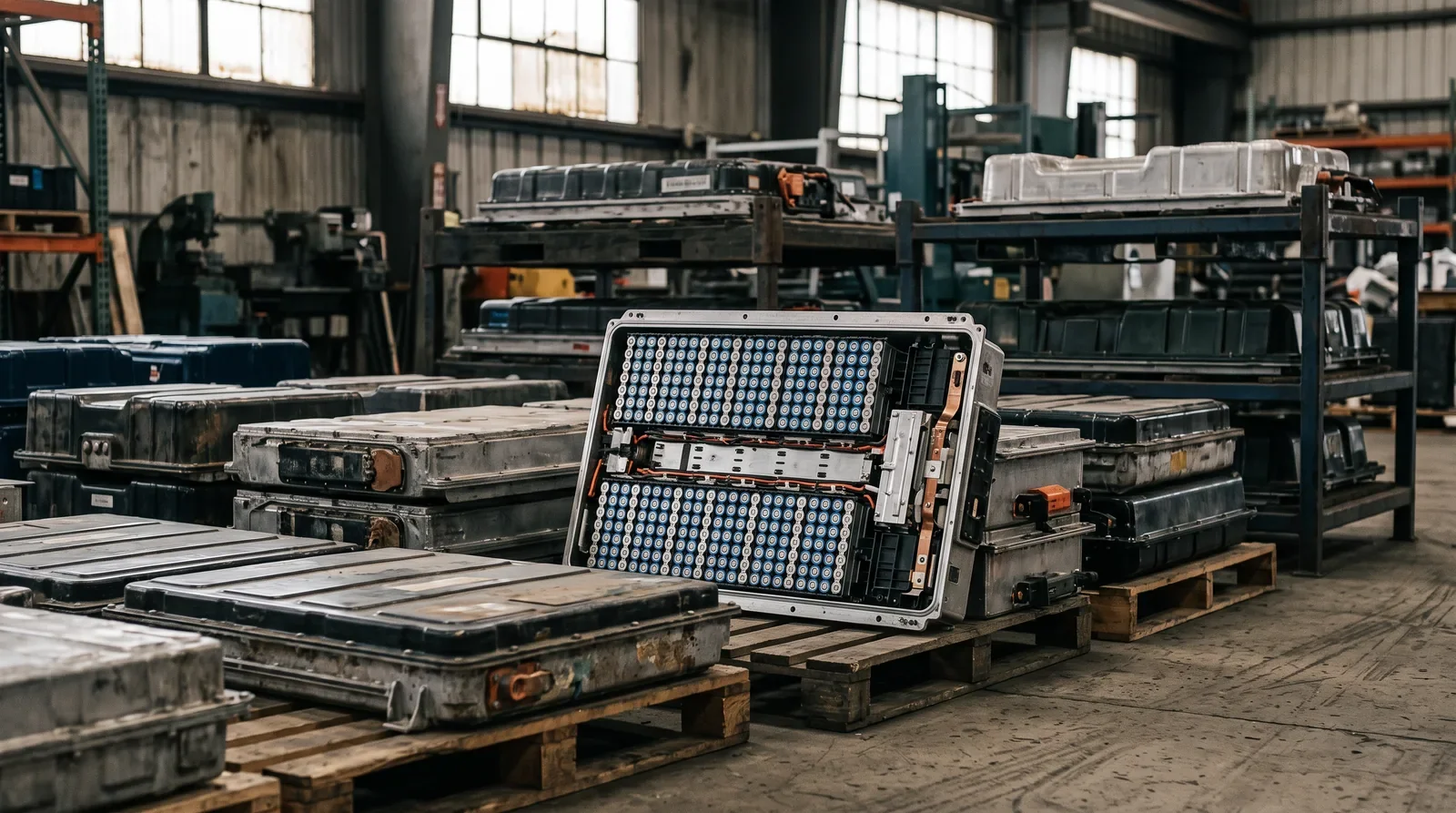
Lithium-ion batteries
Explore the value within battery assemblies, beyond a single recovered fraction.
Explore the material story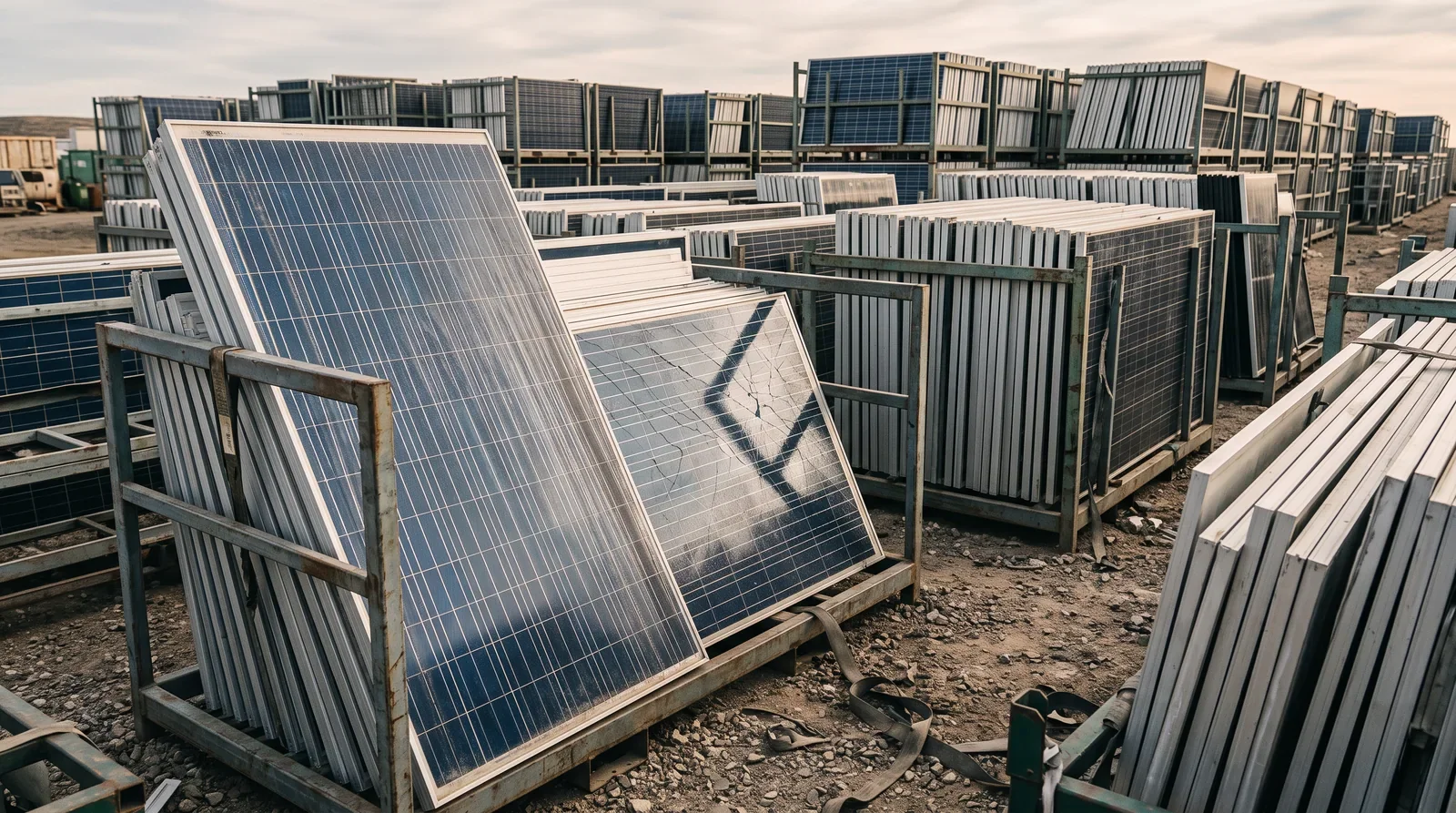 04
Solar panels
Look beyond the frame to the value within retired photovoltaic modules.
Explore the material story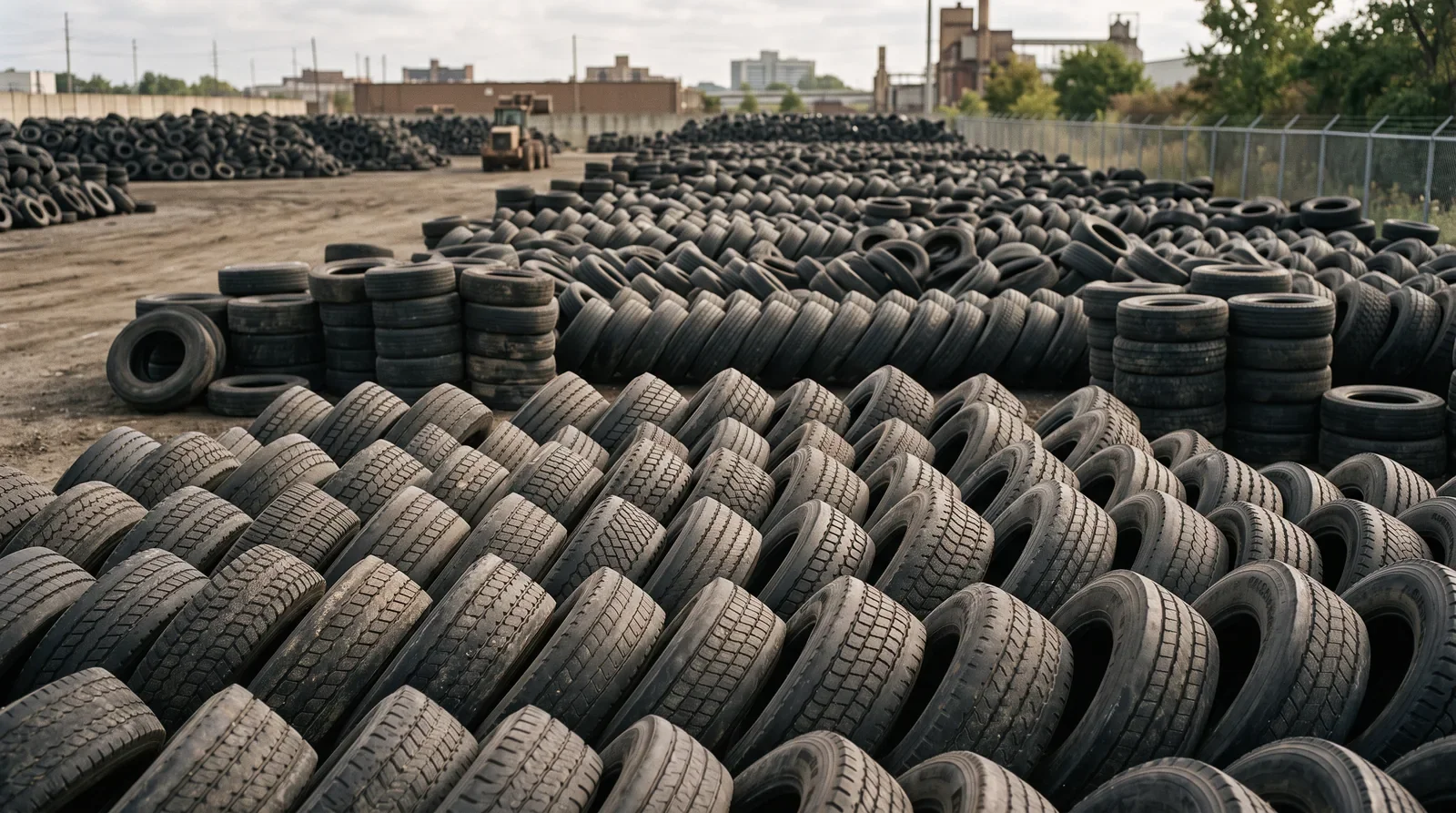 01
Tires & rubber
Unlock the rubber, steel and fiber still held inside an end-of-life tire.
Explore the material story