Turf & carpet recovery.
Beneath the surface.
Artificial turf and carpet are layered products. Their fibers, backing and other ingredients are designed to perform together. At replacement, that construction becomes a separation challenge—and an opportunity to look for more value within the material.
Discuss this material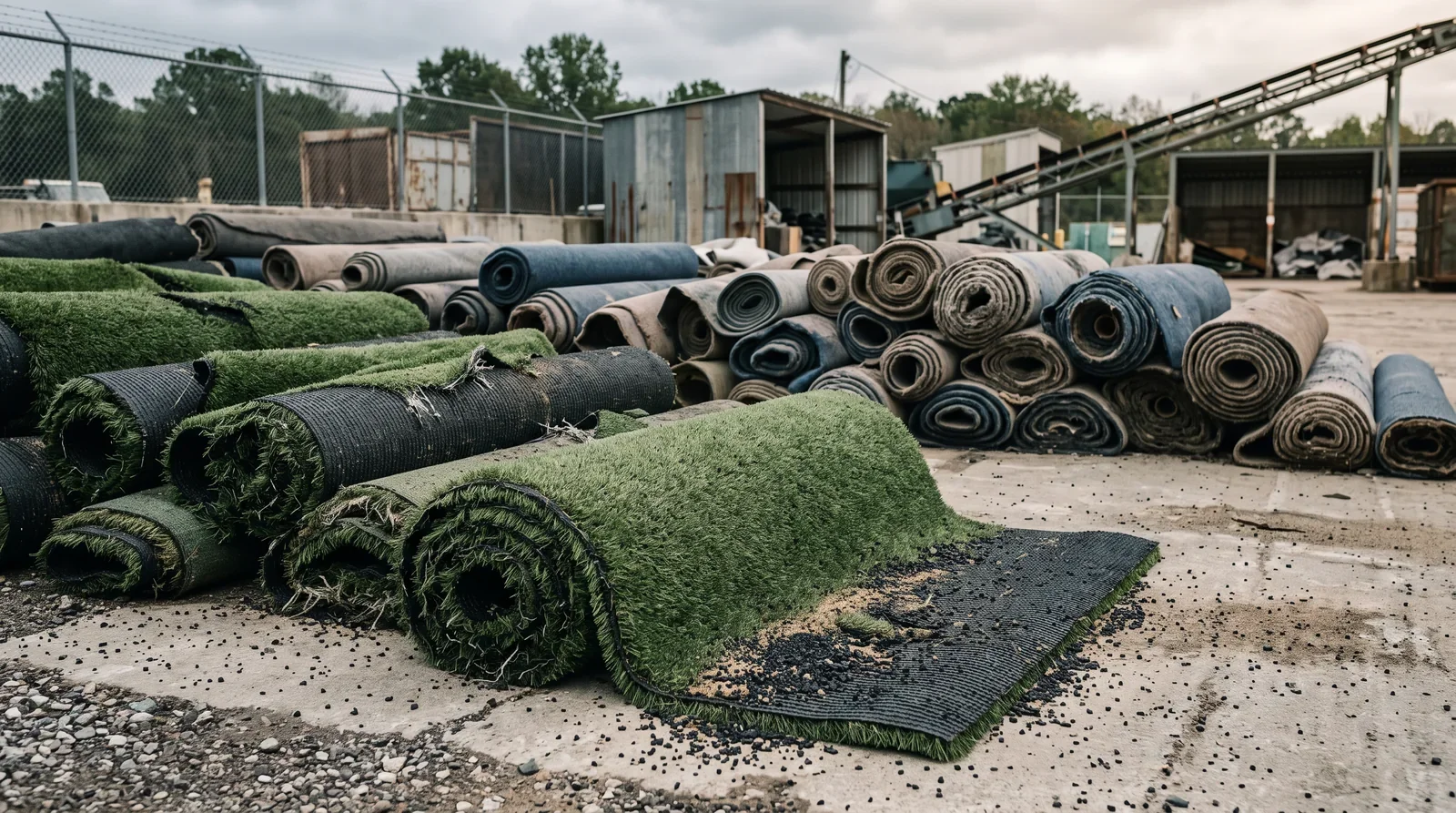 Illustrative industry scene
What if replacing a field or floor did not end the useful life of the materials beneath your feet?
A replacement cycle should start a recovery conversation.
A removed turf field may include synthetic fibers, backing, sand and resilient infill. Carpet can combine face fibers, backing, adhesives and fillers. Composition varies by product and installation history.
The practical challenge is to identify those materials, manage contamination and find a route that produces fractions with a useful destination. Mixing dissimilar products without characterization can make that harder.
Reveal what is beneath the finished surface.
JENROVA evaluates artificial turf and carpet using dry material liberation, with no added process chemicals and no hammer mills in the liberation stage. Product construction and incoming condition determine the proposed preparation and separation route.
Testing explores fiber-rich, backing-rich and infill-containing fractions where present. It establishes composition and contamination rather than assuming that every synthetic fiber becomes a clean single-polymer feedstock.
Material fractions to evaluate
- Synthetic fiber-rich fractions
- Backing and polymer-rich fractions
- Infill and mineral fractions, where present
Illustrative targets. Actual fractions and recovery depend on the feedstock and demonstrated processing route.
Recovery becomes meaningful
when material has a next use.
Recovered fractions may be evaluated for polymer, composite or other qualified industrial applications. The next use depends on resin identification, additives, cleanliness and customer requirements. End-of-life handling and acceptance are agreed for each stream.
Who we work with
Sports facility owners, turf installers, flooring contractors, manufacturers and material recovery partners.
Good questions.
Clear answers.
Can turf arrive with infill still present?
Can all carpets be recycled together?
What is in your
material stream?
Share the product type, construction or manufacturer data if available, age, infill or backing details, contamination, quantity, location and removal schedule.
More material stories.
 01
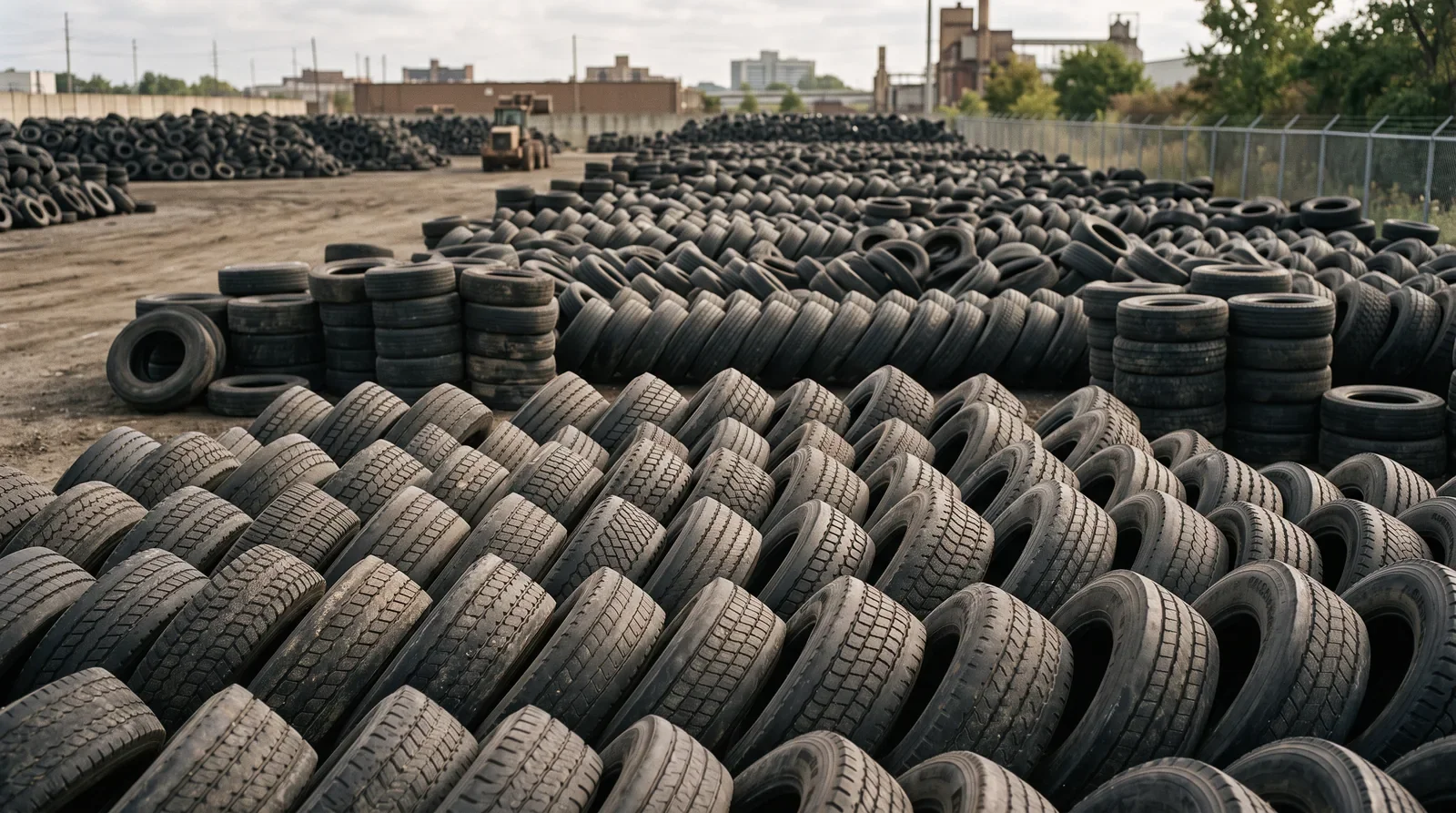
Tires & rubber
Unlock the rubber, steel and fiber still held inside an end-of-life tire.
Explore the material story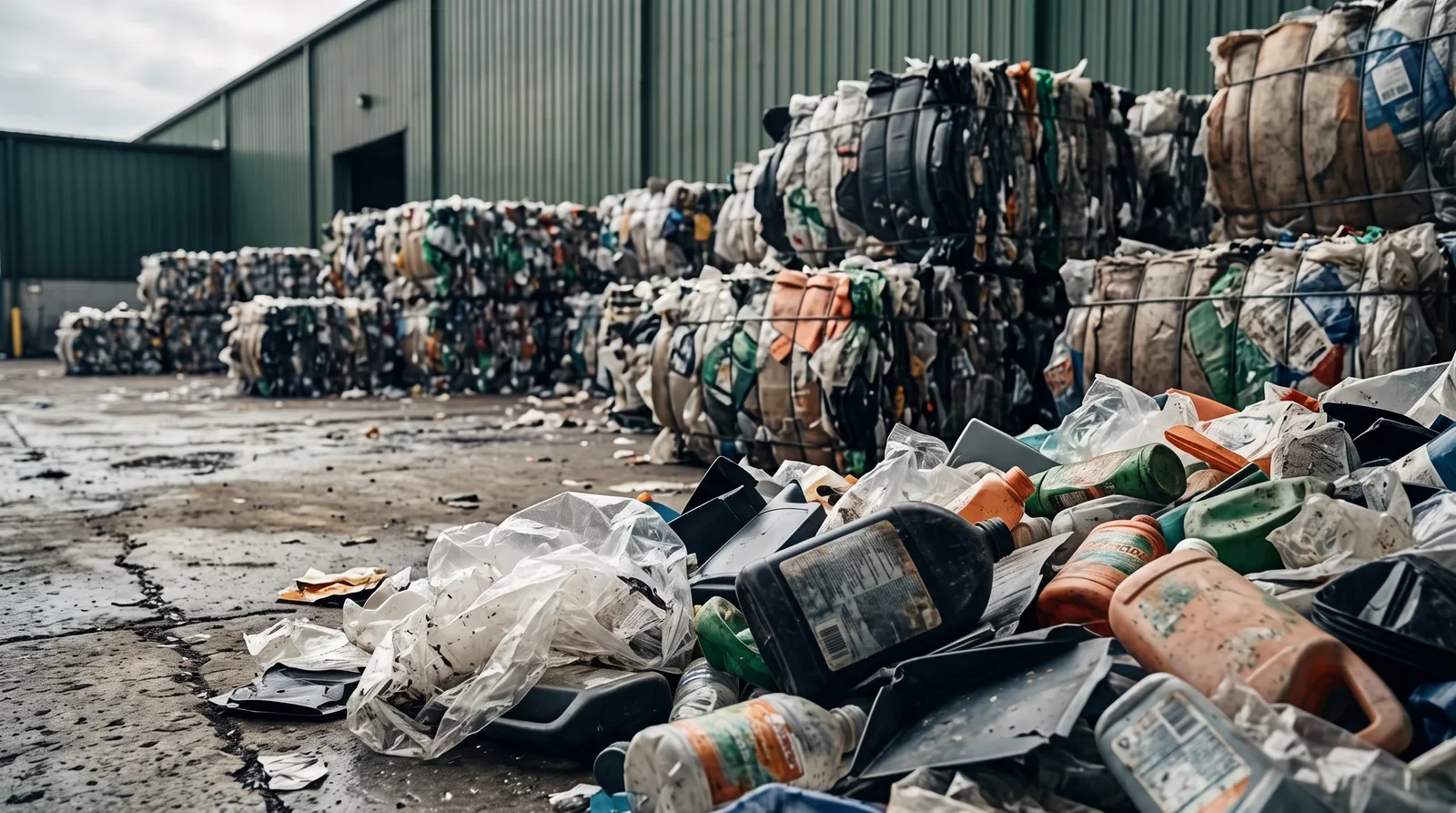 08
Plastics
Explore new pathways for films, mixed polymers and difficult plastic products.
Explore the material story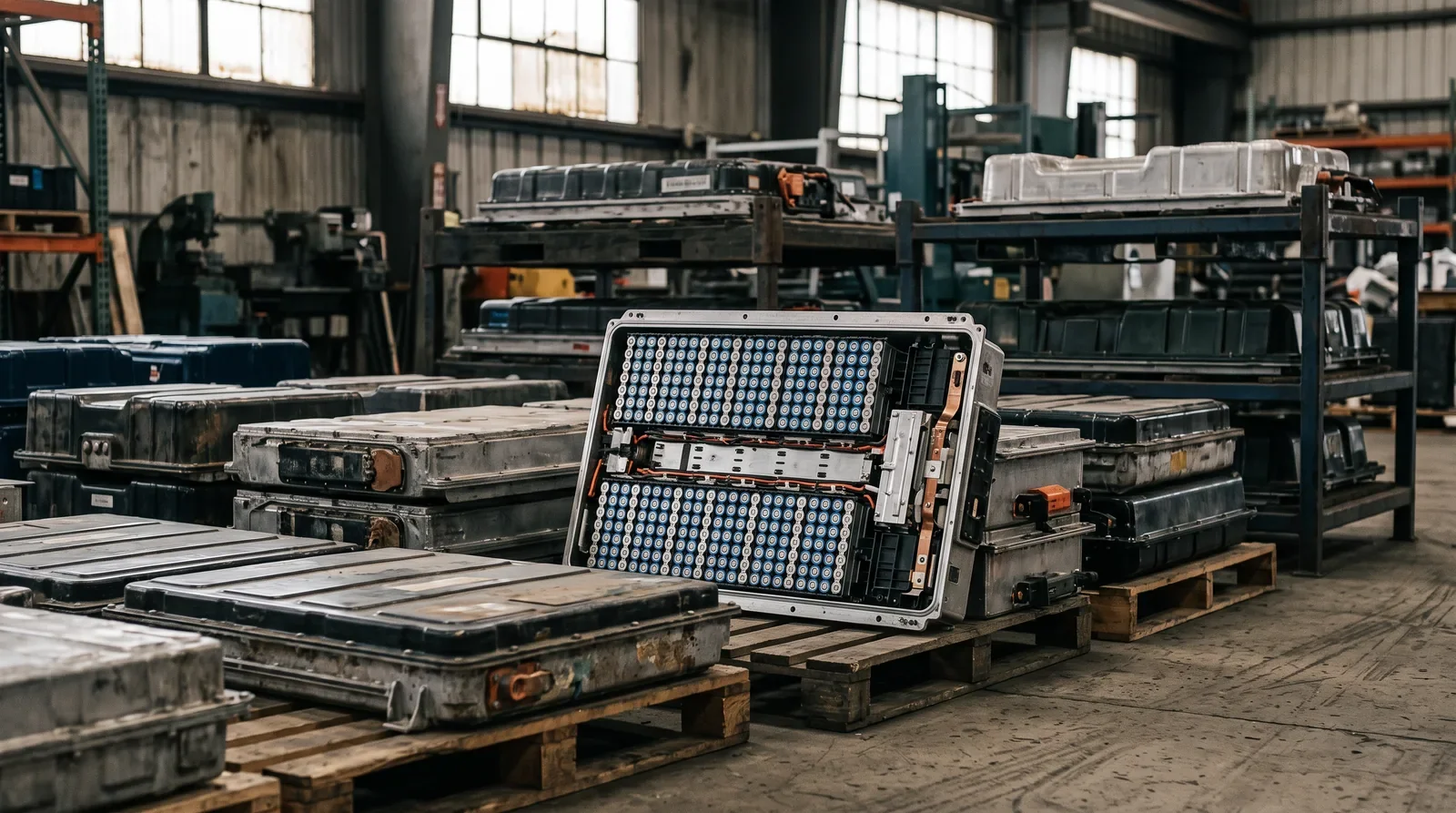 02
Lithium-ion batteries
Explore the value within battery assemblies, beyond a single recovered fraction.
Explore the material story